Understanding Smart Ceiling Speakers
Smart ceiling speakers have revolutionized audio experiences within residential and commercial spaces alike. Designed to integrate seamlessly with modern home automation systems, these speakers offer exceptional sound quality while being discreetly installed in ceilings. Whether you're looking to enhance your home theater system, create a multi-room audio setup, or add ambient sound to your workspace, understanding the features and benefits of اسپیکر سقفی is essential. This comprehensive guide will help you navigate the marketplace, comparing various models, understanding installation processes, and considering the brand reputation that can impact your purchase decision.
What Are Smart Ceiling Speakers?
Smart ceiling speakers are advanced audio devices integrated into ceiling structures, designed for a variety of applications from casual listening to immersive audio experiences. They connect wirelessly to home networks, allowing control via smartphones or smart home systems. Compatibility with voice assistants enhances user convenience, making it easy to play music, adjust volume, or control devices with simple voice commands.
Benefits of Installing Smart Ceiling Speakers
There are numerous advantages to installing smart ceiling speakers:
- Space Efficiency: Unlike traditional speakers, these models are flush-mounted in ceilings, preserving floor space and reducing clutter.
- Improved Aesthetics: Their low-profile design allows for a clean, modern look, blending seamlessly with your décor.
- Enhanced Sound Quality: With proper installation, smart ceiling speakers can provide superior sound quality, delivering a more balanced audio experience across the room.
- Multi-Room Capability: Many smart ceiling speakers can be grouped for synchronized audio playback throughout multiple rooms.
Key Features to Look For in Smart Ceiling Speakers
When selecting smart ceiling speakers, consider the following features:
- Audio Performance: Look for specifications that indicate sound fidelity, including frequency response and power handling.
- Compatible Technologies: Ensure the speakers work with your existing home automation system and support Bluetooth or Wi-Fi connectivity.
- Durability and Design: Choose speakers with moisture-resistant casings for installations in areas like bathrooms or kitchens.
- User Controls: Evaluate options for app control, voice activation, or remote control for ease of use.
Types of Smart Ceiling Speakers
Active vs Passive Models
Smart ceiling speakers can be categorized as active or passive. Active speakers have built-in amplifiers, meaning they require a direct power source but offer simplified setups since no external amplifier is needed. On the other hand, passive speakers require an external amplifier, which can provide more powerful sound but may complicate installation. Understanding the differences can significantly affect the final audio experience and installation complexity.
In-Ceiling vs Surface-Mounted Options
When it comes to installation, you can opt for in-ceiling or surface-mounted speakers. In-ceiling speakers are recessed, providing a discreet look and are ideal for high-quality sound distribution. Surface-mounted options, however, are easier to install and require minimal structural changes, making them suitable for various spaces where in-ceiling installation might not be feasible.
Choosing the Right Size for Your Space
The size of the speakers should correspond to the dimensions of the room where they will be installed. Larger rooms typically require larger speakers or multiple smaller units to achieve balanced sound. Conversely, smaller areas might benefit from compact models that still deliver impressive audio performance without overwhelming the space.
Installation Guidelines for Optimal Performance
Pre-Installation Considerations
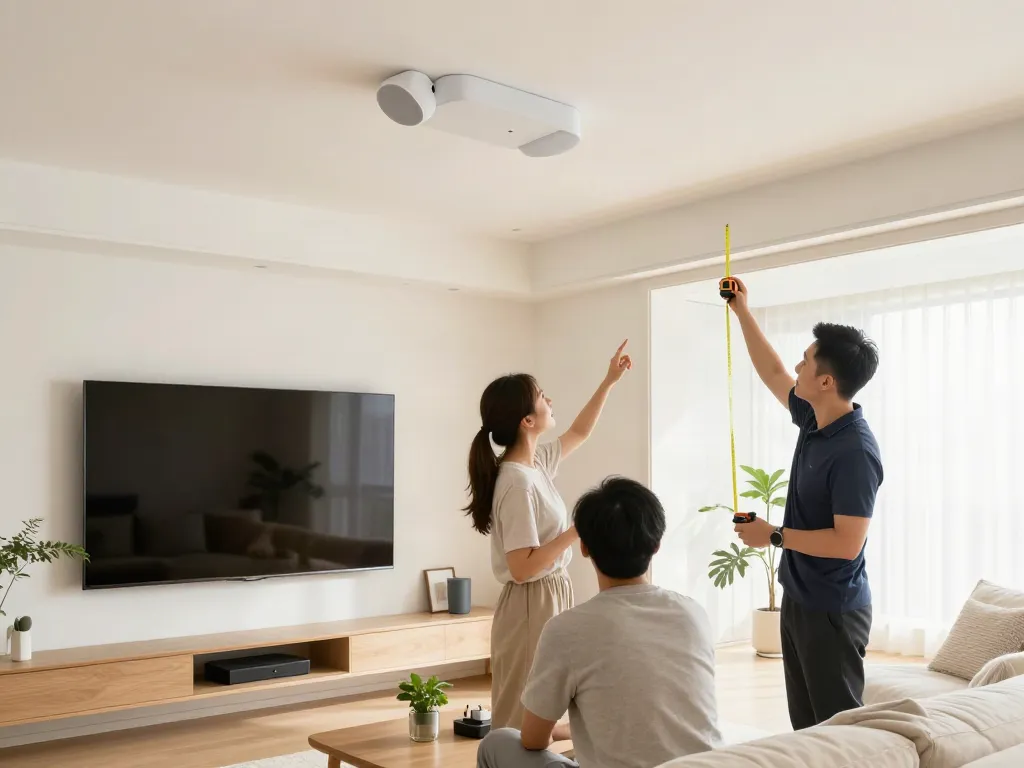
Before installation, it’s crucial to plan the positioning of the speakers carefully. Consider not only the room dimensions but also acoustic properties and potential obstructions. The optimal placement enhances sound quality and minimizes audio reflections and dead spots.
Best Practices for Wiring and Placement
When wiring your smart ceiling speakers, ensure power supplies and signal cables are well routed to avoid interference. Utilizing speaker wire rated for in-wall installation will protect the integrity of your audio signals. For ideal placement, maintain distance from walls and corners for even sound distribution.
Common Installation Mistakes to Avoid
Many users face challenges during installation. Common pitfalls include incorrect placement based on room acoustics, poor cable management, and neglecting to test audio before finalizing installation. Engage professionals if you are unfamiliar with the installation process, as their expertise can save you time and enhance sound quality.
Comparing Leading Brands and Models
Top Brands in the Smart Ceiling Speaker Market
The market for smart ceiling speakers is populated with reputable brands known for quality and innovation. Companies such as Yamaha, Bose, and Klipsch consistently receive high marks for their audio fidelity and user-friendly designs. When comparing brands, consider the features that matter most to you, such as connectivity options and sound quality.
Model Reviews: Features and Pricing
Various models offer a range of features tailored to different needs. For instance, the Yamaha NS-IC800 provides a robust sound experience ideal for home theaters, while Bose’s Virtually Invisible 791 series focuses on aesthetic integration and sound dispersion. Pay attention to pricing, as it often reflects the quality, brand reputation, and features offered.
Customer Testimonials and Recommendations
Customer reviews can provide insight into real-world applications of the products. Look for feedback regarding installation ease, sound quality, and durability. Recommendations from peers or trusted audio professionals can also guide your purchasing decisions.
Future Trends in Smart Ceiling Audio Technology
Innovations to Watch in 2026
As technology evolves, so does the potential for smarter audio devices. Innovations may include better integration with artificial intelligence, enabling speakers to automatically adjust sound settings based on room acoustics or user preferences. Furthermore, advancements in sustainability may lead to more eco-friendly manufacturing processes and materials.
The Role of Artificial Intelligence in Audio Systems
Artificial intelligence is increasingly playing a role in personalizing audio experiences. Smart ceiling speakers may learn from user behavior, adapt sound profiles, and provide context-aware adjustments, enhancing overall audio satisfaction without user intervention.
Environmental Considerations for Smart Audio
As environmental awareness grows, consumers are looking for sustainable options in audio equipment. Brands may focus on recycling initiatives or developing products using sustainable materials, catering to eco-conscious consumers and promoting longer-lasting products.
What are the advantages of smart ceiling speakers?
Smart ceiling speakers offer efficiency in space usage, high-quality sound, and the convenience of wireless control. They allow for a clean aesthetic and seamless integration into smart home systems.
How to choose between active and passive speakers?
Choosing between active and passive speakers largely depends on your preferences for sound quality, installation complexity, and the acoustic needs of your space. Evaluate your setup and determine which type aligns with your audio goals.
Can smart ceiling speakers integrate with other smart home devices?
Yes, many smart ceiling speakers are designed to seamlessly integrate with other smart home devices, allowing for versatile control through apps and voice commands.
What factors affect the installation cost?
Installation costs can vary based on factors like the complexity of the setup, the number of speakers, required wiring, and whether professional installation is desired.
Are there any maintenance tips for smart ceiling speakers?
Regularly check connections, clean dust from speaker grilles, and ensure firmware is updated to maintain optimal performance of smart ceiling speakers.