Understanding Mini Split AC Units
As the pursuit for energy-efficient, space-saving solutions continues, the mini split ac unit has emerged as a popular choice among homeowners and business owners alike. Unlike traditional window units or central air systems, mini split ACs offer the convenience of precise temperature control in different zones of your home or office without the need for ductwork. In this article, we will explore the intricacies of mini split systems, their advantages, installation considerations, maintenance tips, and future trends that are redefining air conditioning technology.
What is a Mini Split AC Unit?
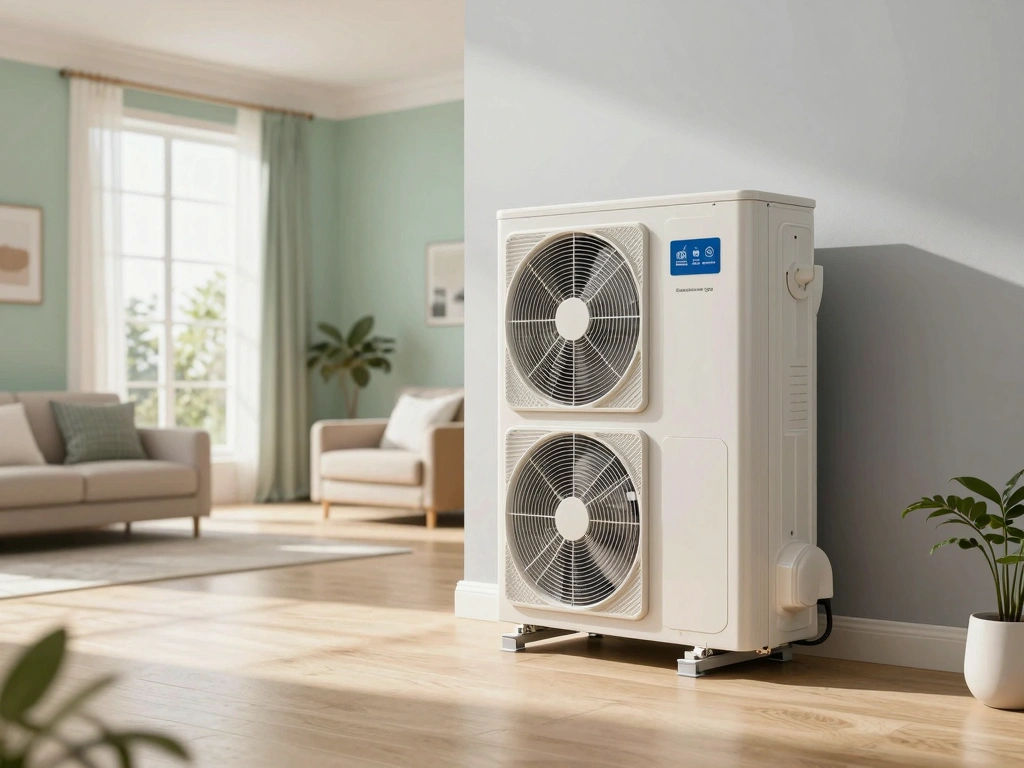
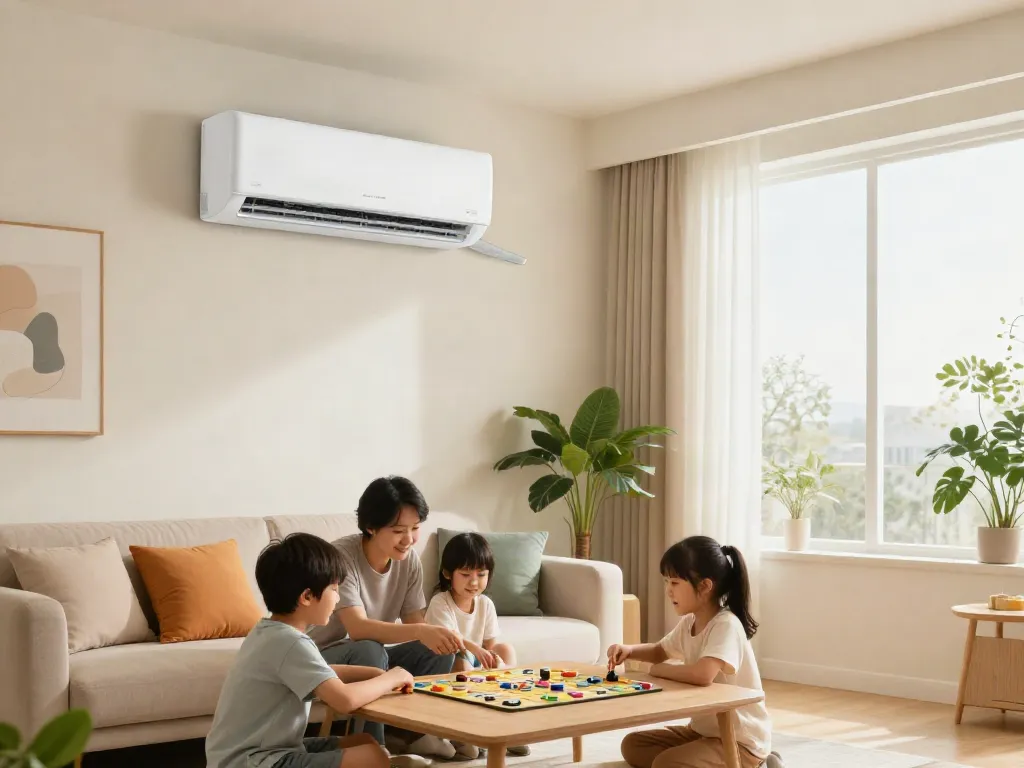
A mini split AC unit, commonly known as a ductless air conditioning system, is comprised of two main components: an indoor air handling unit and an outdoor condenser. This innovative design allows for flexibility in installation and the ability to cool or heat individual rooms without the inefficiencies associated with traditional HVAC systems. Unlike central air conditioning, which relies on ductwork to distribute air throughout your home, mini splits can be installed in multiple zones, providing targeted cooling where you need it most.
How Mini Split Systems Work
The operation of a mini split AC unit relies on the principles of heat exchange. The outdoor unit absorbs heat from the outside air and transfers it to the indoor unit, which then cools or heats your space accordingly. This is achieved through refrigerant that circulates between the two units, changing states from liquid to gas and back again while exchanging heat. As a result, mini splits are known for their efficiency and ability to maintain comfortable temperatures even in extreme weather conditions.
Advantages Over Traditional HVAC Systems
- Energy Efficiency: Mini split systems typically offer higher energy efficiency ratings (SEER), which means they consume less energy compared to conventional systems.
- Flexibility: With the ability to customize zones, you have the option to cool or heat only the areas in use, leading to significant energy savings.
- Quiet Operation: Mini splits operate at lower noise levels, making them ideal for bedrooms and quiet office spaces.
- Easy Installation: The absence of ductwork means installation is often quicker and less invasive.
Key Features to Look For
Energy Efficiency Ratings Explained
When selecting a mini split AC unit, understanding energy efficiency ratings is crucial. The Seasonal Energy Efficiency Ratio (SEER) measures the cooling output over a typical cooling-season divided by the total electric energy input during the same period. A higher SEER rating indicates better efficiency. Look for models with a SEER rating of at least 16, which ensures optimal performance and lower energy bills.
Noise Levels and Operation
Another important factor to consider is the noise level of the unit. Mini split systems are designed to operate quietly, with indoor units often producing sound levels comparable to a whisper. This is particularly beneficial for residential applications, where silence is golden, such as in bedrooms or study spaces. Assess the decibel ratings before purchasing, aiming for models that operate at or below 30 decibels in low mode.
Additional Features: Heating and Cooling
Many mini split systems come with heating capabilities, allowing them to function year-round. This dual functionality can save on installation costs, as you won't need separate heating equipment. Look for features like variable speed compressors, which adjust capacity based on demand to maintain set temperatures without wasting energy.
Installation Considerations
DIY Installation vs. Professional Help
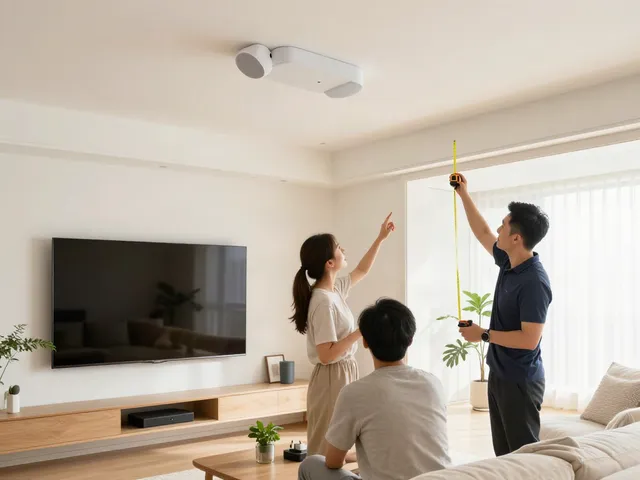
While some homeowners may consider a DIY installation for their mini split AC units, it is often best to consult professionals. Proper installation is critical for maximizing efficiency and performance. Missteps during installation can lead to refrigerant leaks, ineffective cooling, and increased energy bills. Professional installers are well-versed in local building codes and can ensure that the system is set up correctly.
Cost Breakdown of Installing a Mini Split AC Unit
The cost of installing a mini split system varies widely based on factors such as the number of zones, the size of the units, and labor costs. Generally, expect to pay between $3,000 and $5,000 for a complete installation, including equipment costs and labor. However, this investment can be offset by the energy savings encountered over time.
Common Misconceptions About Mini Split Installation
Many people believe that mini split systems are too complex to install or maintain. However, advancements in design have made these systems more user-friendly, with self-diagnostic features and simple controls. Additionally, regular maintenance can usually be performed without professional assistance, involving simple tasks such as cleaning filters and checking for leaks.
Maintenance and Troubleshooting Tips
Regular Maintenance Tasks
Maintaining your mini split AC unit can extend its lifespan and performance. Regular tasks include:
- Cleaning or replacing air filters every few months.
- Inspecting the outdoor unit for debris, leaves, or obstructions.
- Scheduling annual professional inspections to ensure optimal functionality.
Signs Your Mini Split Needs Repair
Be aware of signs that indicate your mini split unit may need repairs. Unusual noises, inconsistent temperatures, and increased energy bills can all signal problems. Addressing these issues promptly can prevent further damage and costly repairs.
DIY Troubleshooting: What You Can Fix
Some minor issues can be resolved without professional help. For example, if the unit is not cooling properly, check the air filters and clean them if necessary. If you notice ice forming on the coils, it may be due to inadequate airflow, which could involve cleaning the outdoor unit or adjusting the thermostat.
Future Trends in Mini Split AC Technology
Emerging Features to Expect by 2026
As technology advances, expect to see more mini split units equipped with features such as improved Wi-Fi connectivity, allowing users to control their systems remotely using smartphones and smart home devices. Enhanced sensors will better adapt to occupancy patterns, further optimizing energy use.
Impact of Smart Technology on Mini Split Units
Smart technology integration is revolutionizing the efficiency of mini split systems. Features like predictive analytics can monitor usage patterns and adjust settings accordingly to maximize comfort while minimizing energy consumption. Connectivity with other smart home devices will enhance convenience and control.
Market Growth and Consumer Expectations
The mini split AC market is anticipated to grow significantly by 2026, driven by rising awareness of energy conservation and environmental impact. Consumers increasingly expect not only efficiency but also ease of use and maintenance, influencing manufacturers to innovate continually.
What are the disadvantages of a mini split?
While mini split systems offer numerous benefits, they also come with disadvantages. Initial installation costs can be higher than traditional systems, and some homeowners may find the aesthetic of the indoor units less appealing. Additionally, if not adequately maintained, the efficiency gains can diminish over time, leading to potential frustration.
Why is my electric bill so high with mini split?
High energy bills related to mini split systems may stem from improper sizing, inefficient settings, or lack of maintenance. Ensure that your unit is appropriately sized for the space and that filters are clean to optimize performance. Regular professional maintenance can also enhance efficiency and comfort.
Are mini-split AC units worth it?
Ultimately, whether mini split AC units are worth the investment depends on individual needs, preferences, and circumstances. Their energy efficiency, flexibility, and quiet operation make them an excellent option for many homeowners seeking effective climate control solutions.
How much does it typically cost to install a mini split?
The total cost of installing a mini split system generally ranges from $3,000 to $5,000. Factors influencing this cost include the complexity of installation, the number of zones, and the quality of the units selected. Although up-front costs may seem steep, potential energy savings and improved comfort can justify the initial investment over time.