
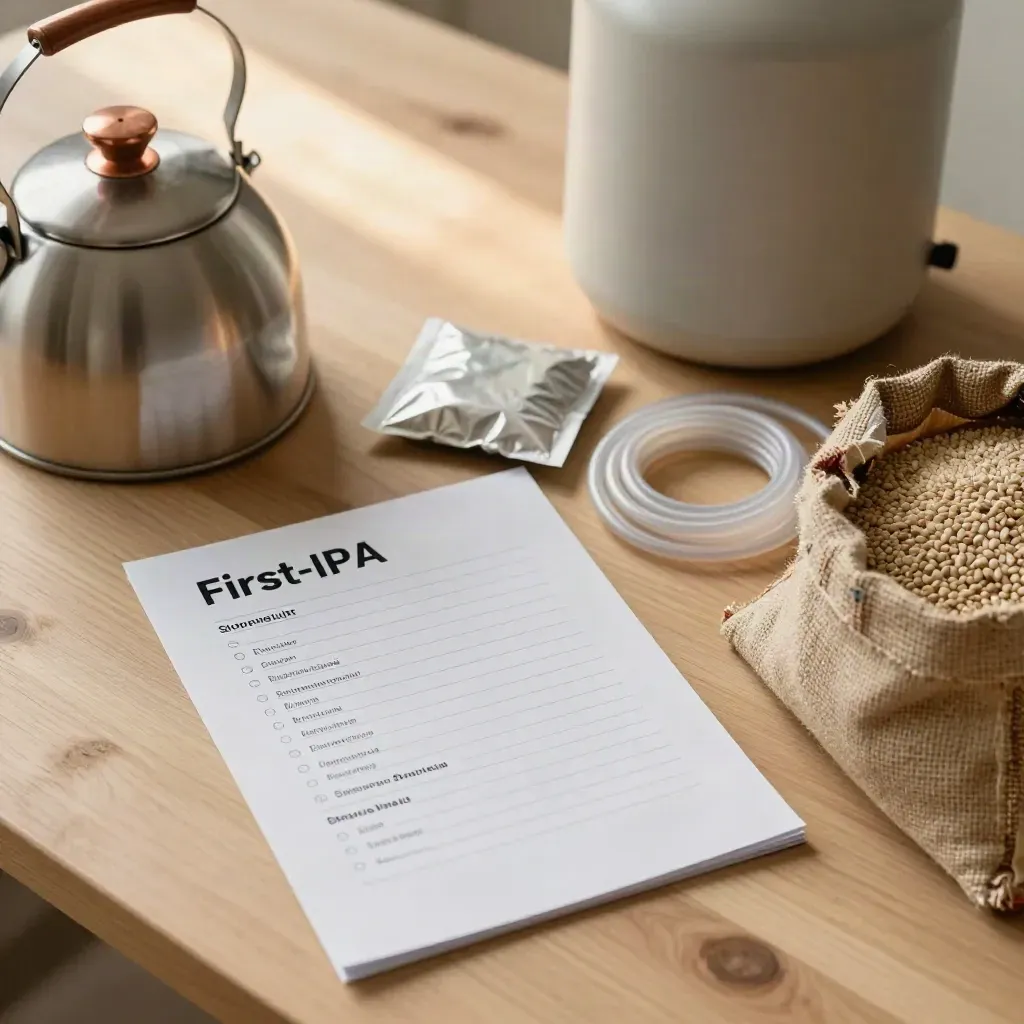
Starter pack
First IPA Shopping List
What to buy, what to skip, and how each tool helps.
BREWING NOTES
Find clear brew guides, real recipes, and gear notes that help cut errors and brew better beer.
FROM THE JOURNAL
What to buy, what to skip, and how each tool helps.
Starter pack
What to buy, what to skip, and how each tool helps.
Troubleshooting
Hop notes
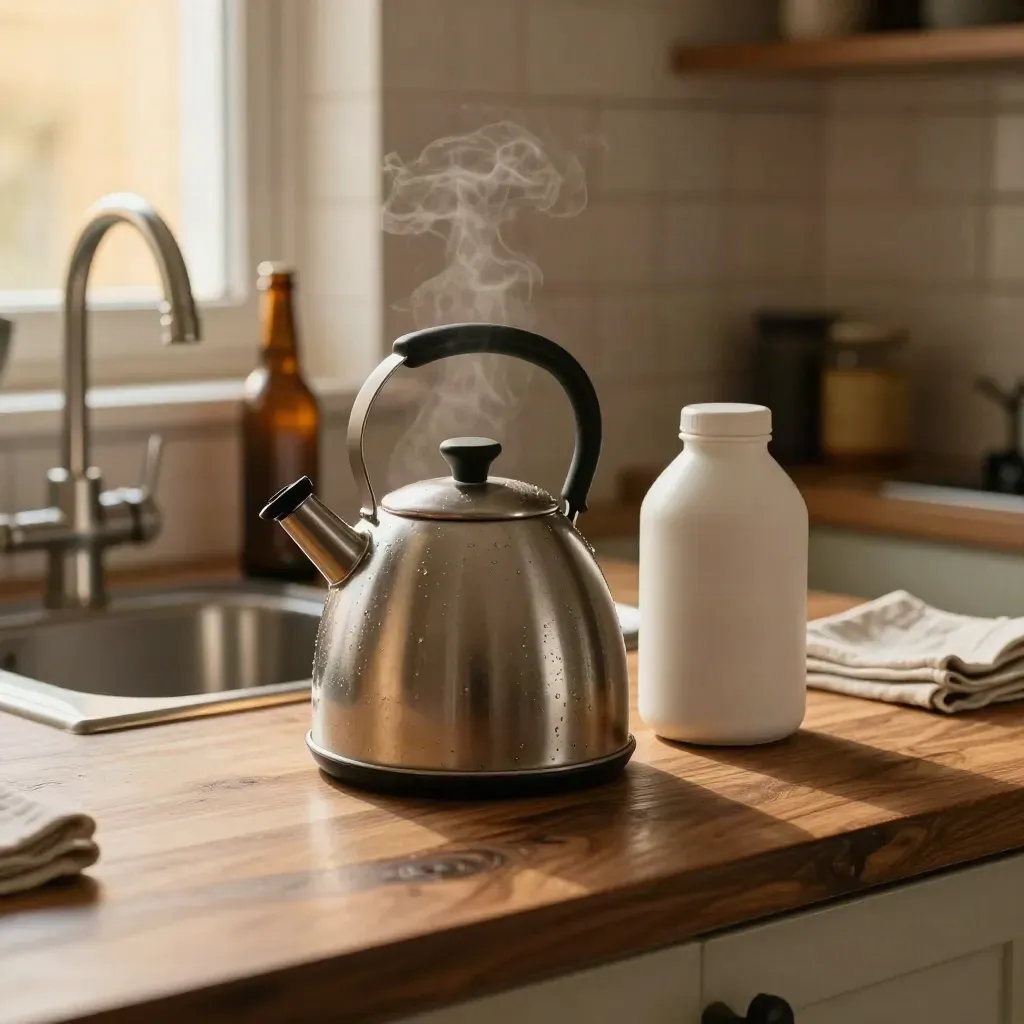
A small batch with a clean grain bill and easy hops.
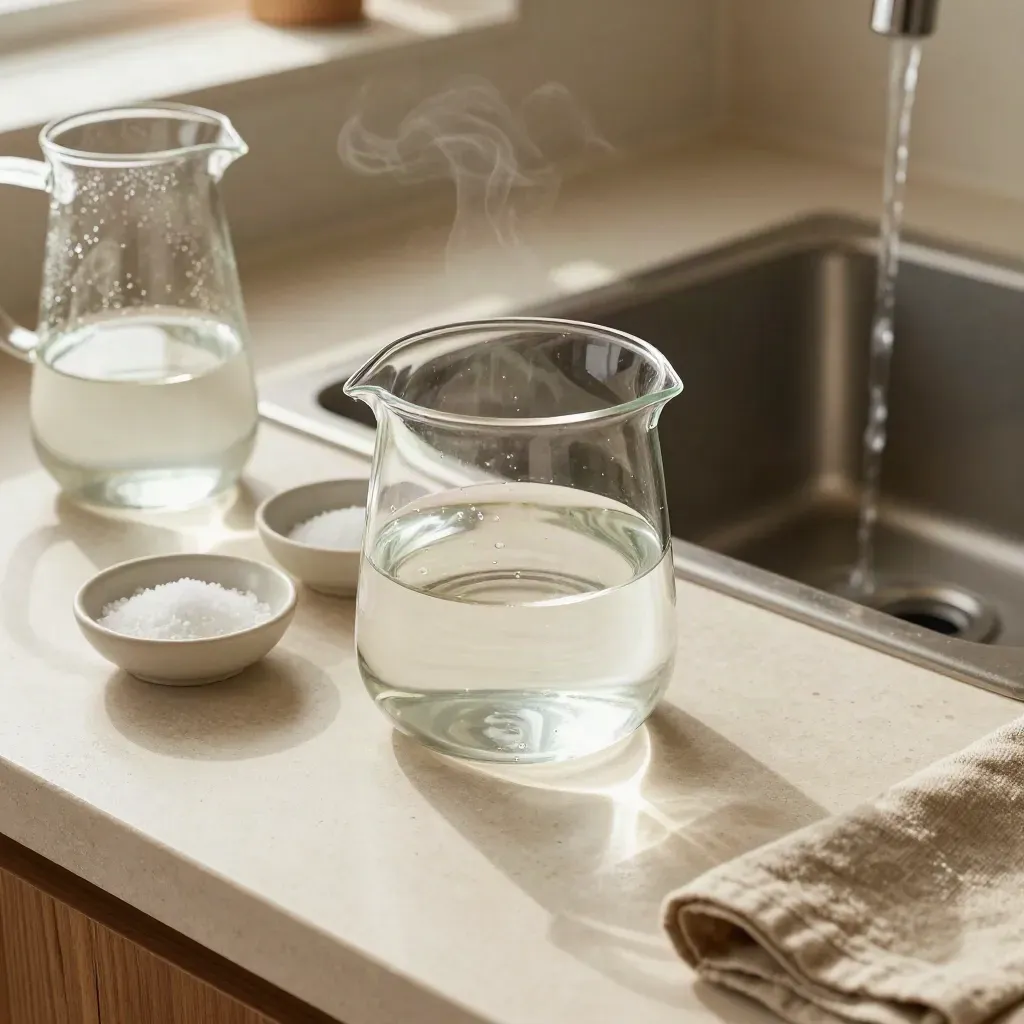
Build a simple water plan for pale and dark beer.
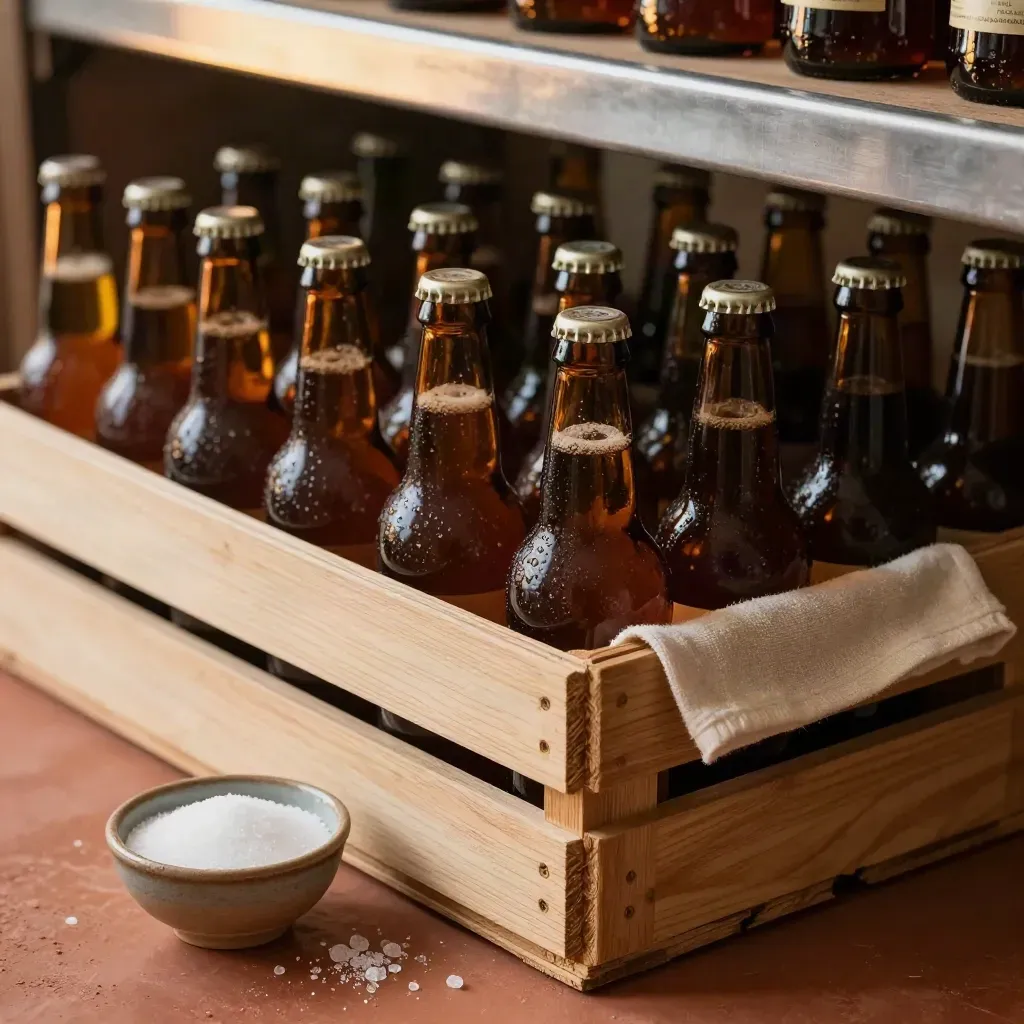
Use sugar amounts that fit your beer and bottle size.
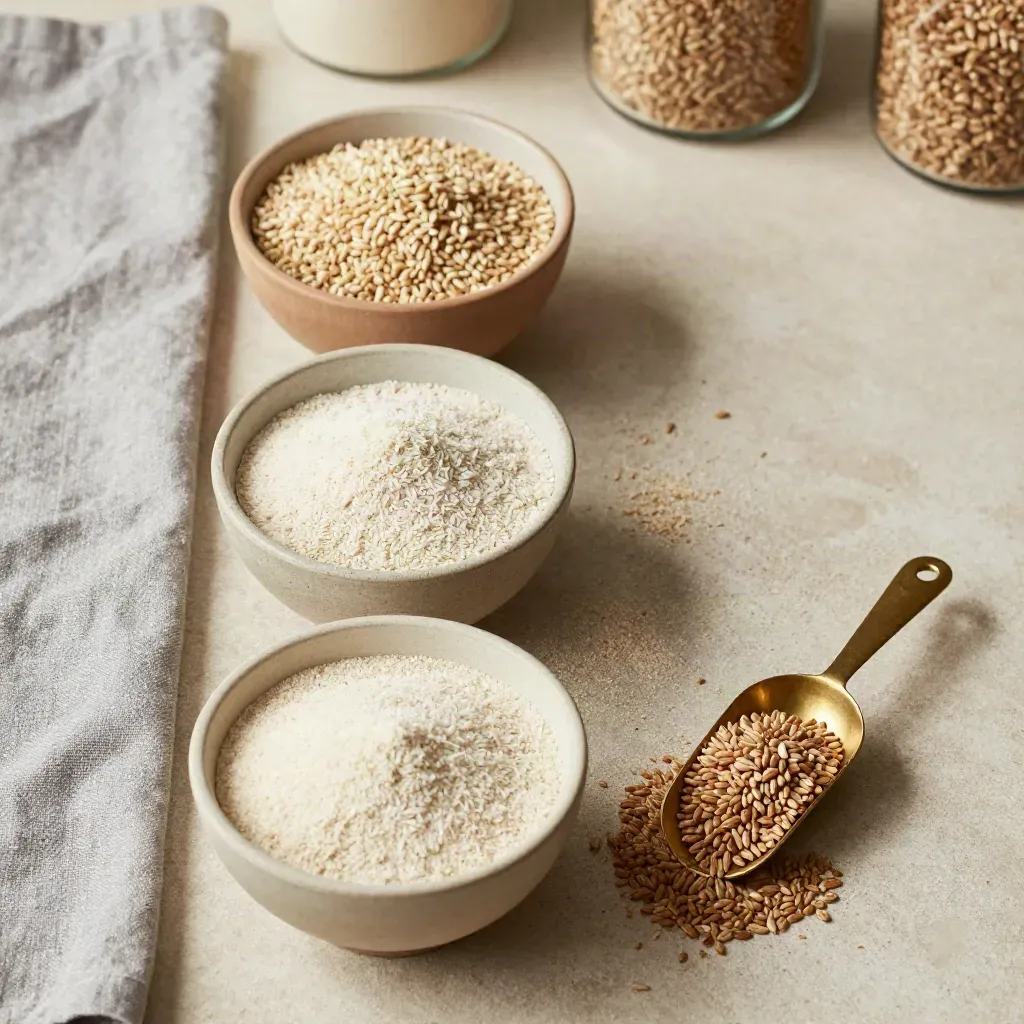
Must read
Must read
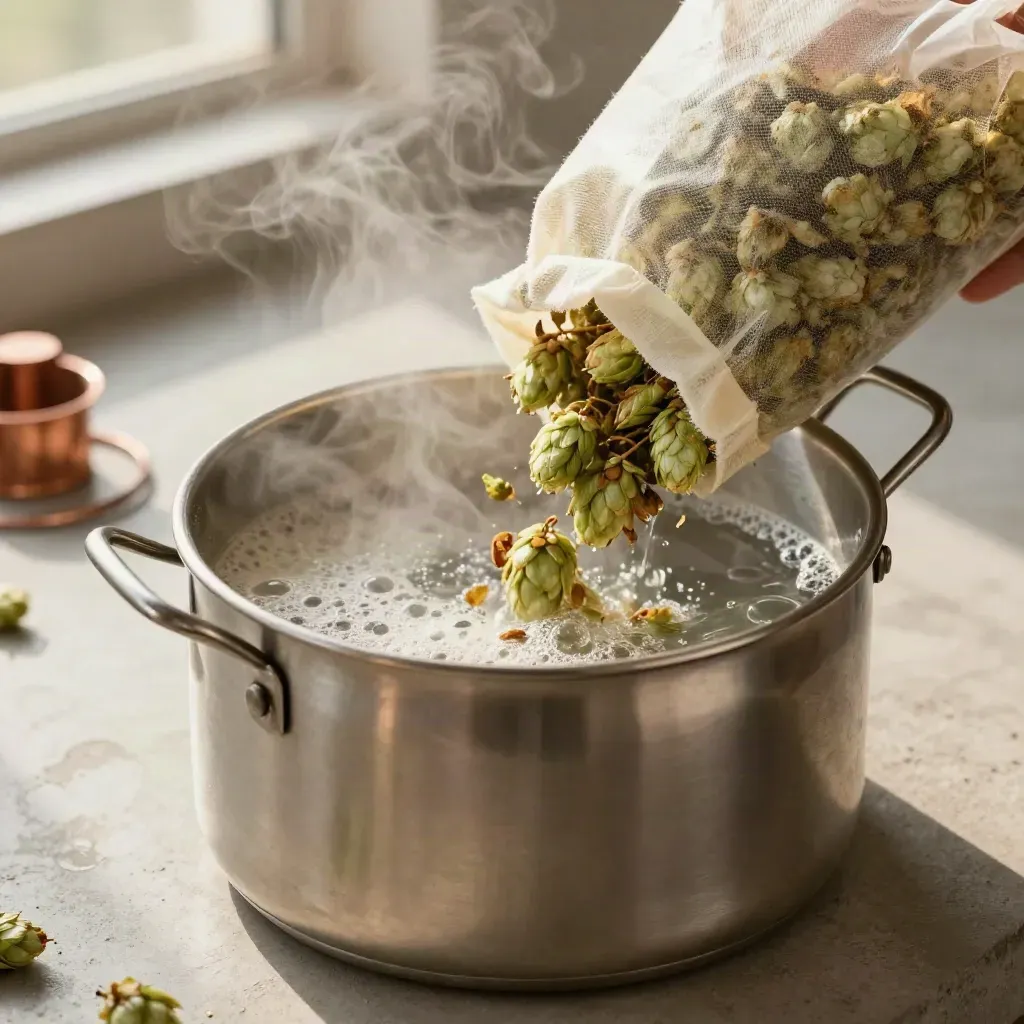
Quick read
Quick read
TOPICS
Step-by-step gear and mash steps for your first all-grain brew.
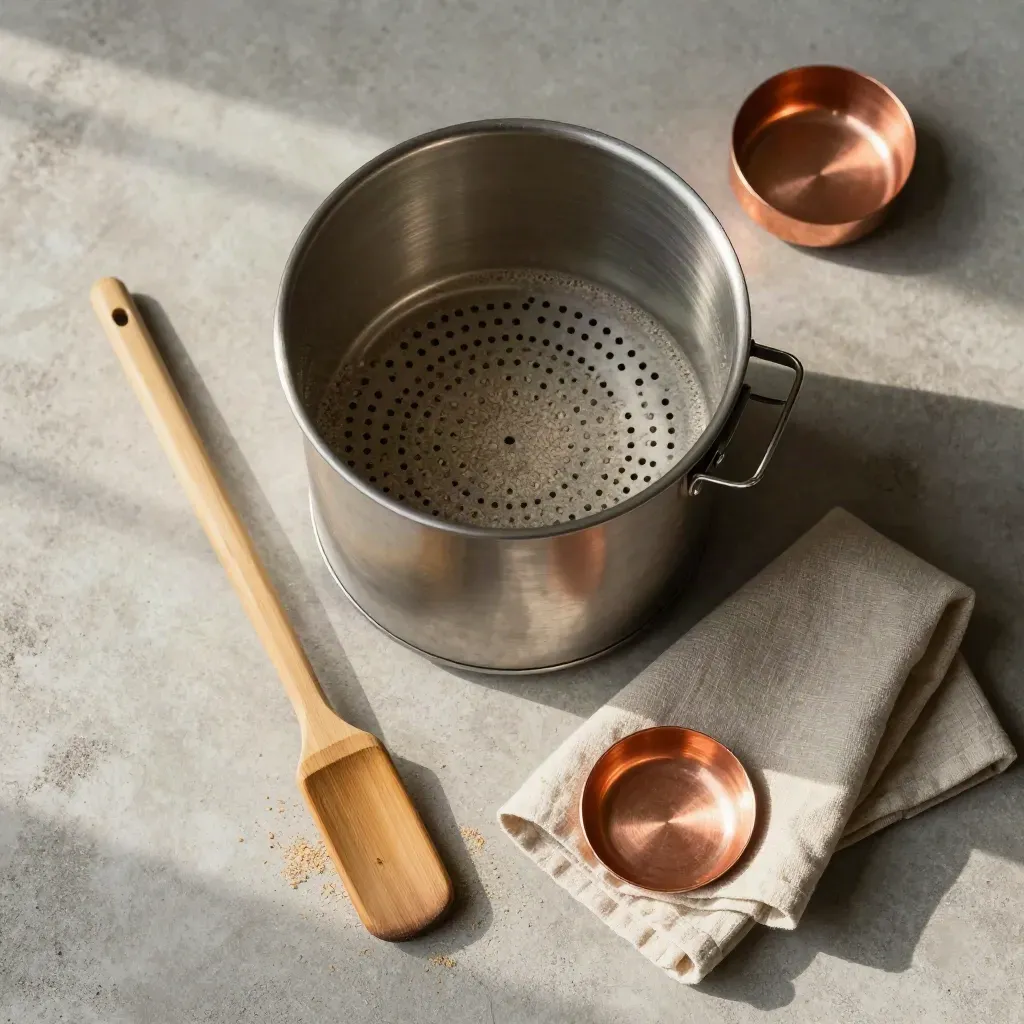
GUIDE
Step-by-step gear and mash steps for your first all-grain brew.
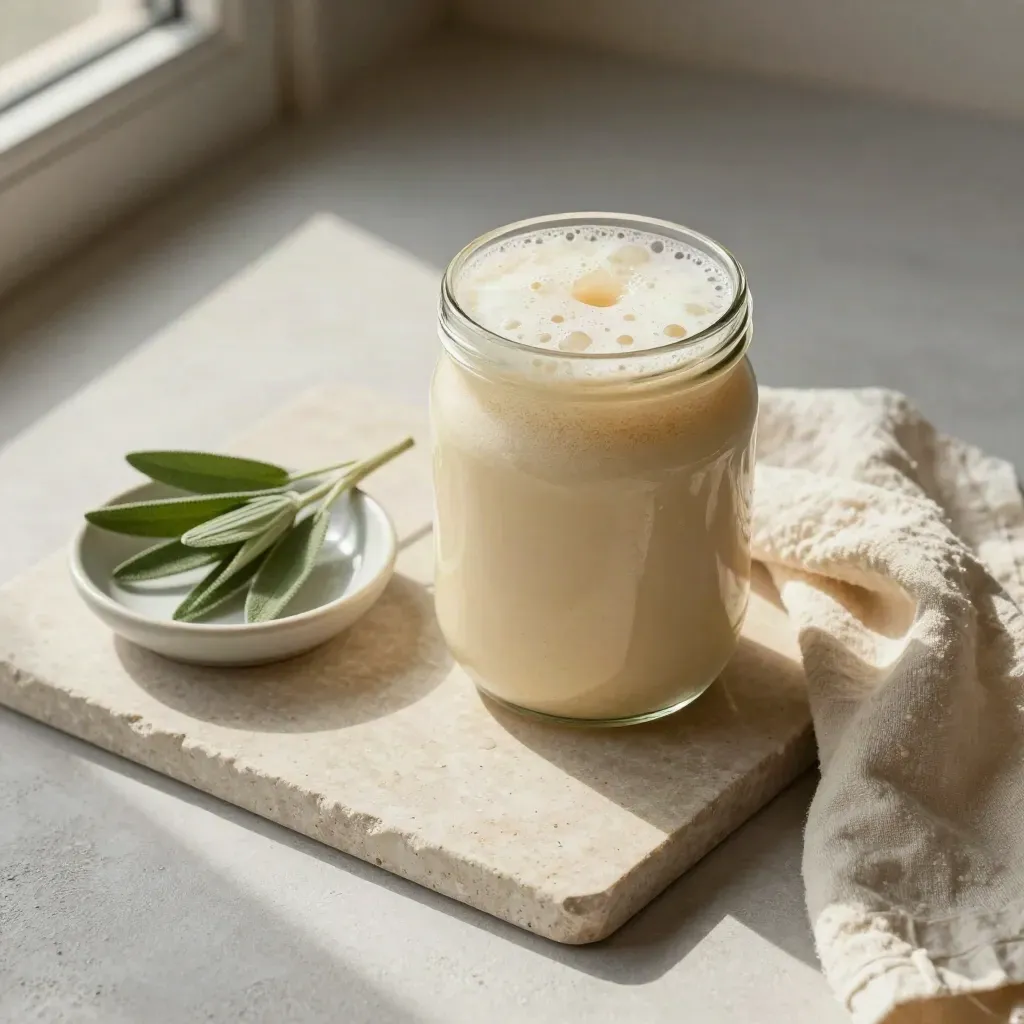
TIPS
Pick ale, lager, or Belgian yeast for the flavor you want.
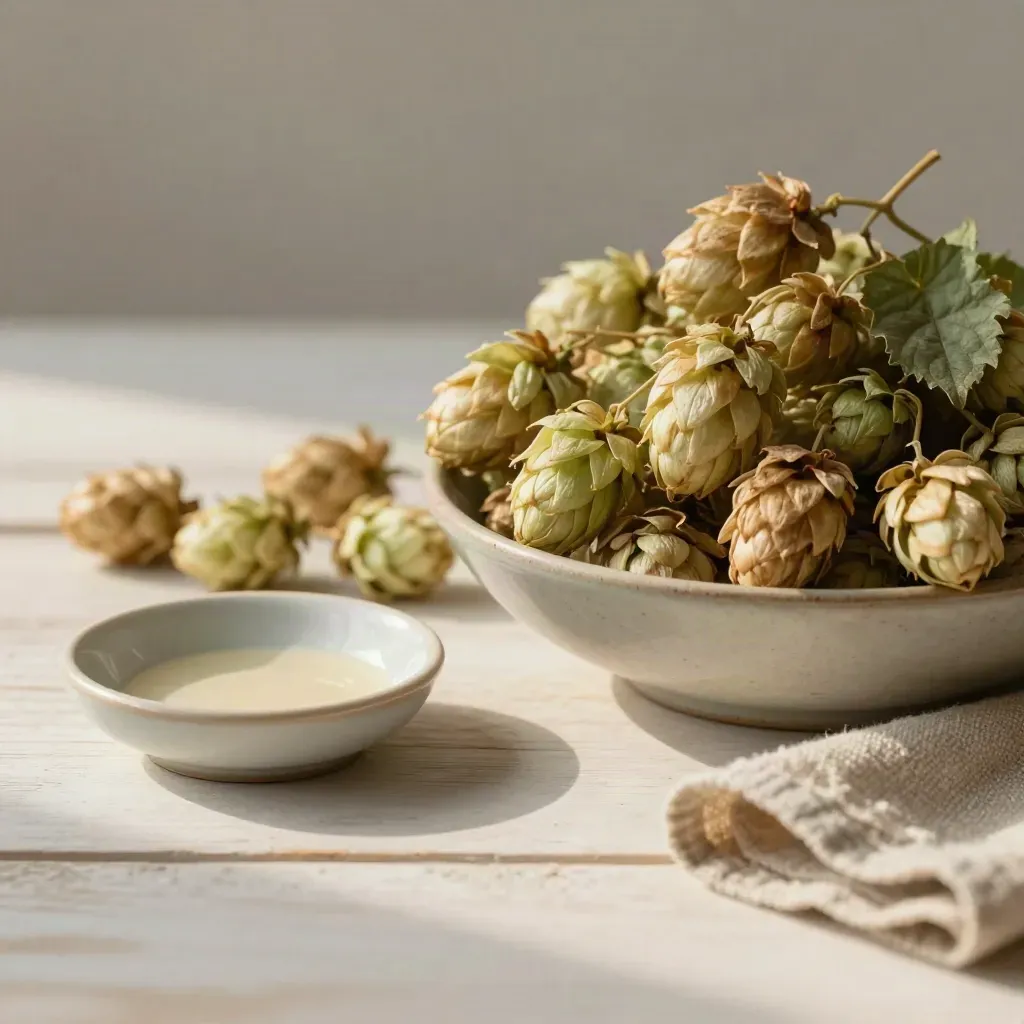
GUIDE
See which hops fit pale ale, IPA, stout, and saison.
TIPS
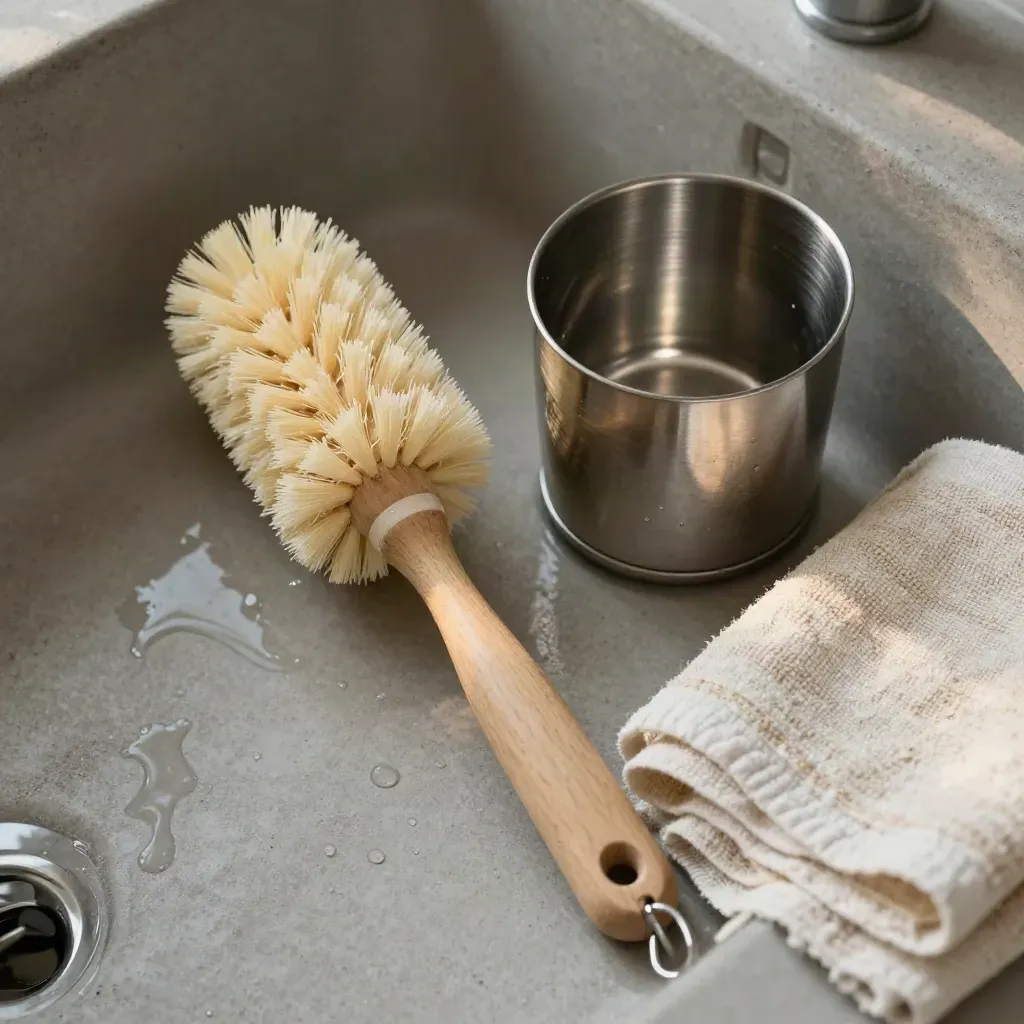
Simple wash, rinse, and sanitize habits that cut off-flavors.
tested brew notes
tested brew notes
home brew recipes
home brew recipes
brew fixes
brew fixes
Community
“The mash temp chart alone saved two bad batches for me.”
Mason Lee
Home brewer, River Road Club
“The yeast notes helped me fix a slow start and save a pale ale I almost wrote off.”
Jared Bell
Beer club lead, North Street Taproom
“I use the hop chart before every IPA now. It keeps bitterness where I want it.”
Nina Ortiz
Recipe tester, Copper Kettle Co.
SPOTLIGHTS
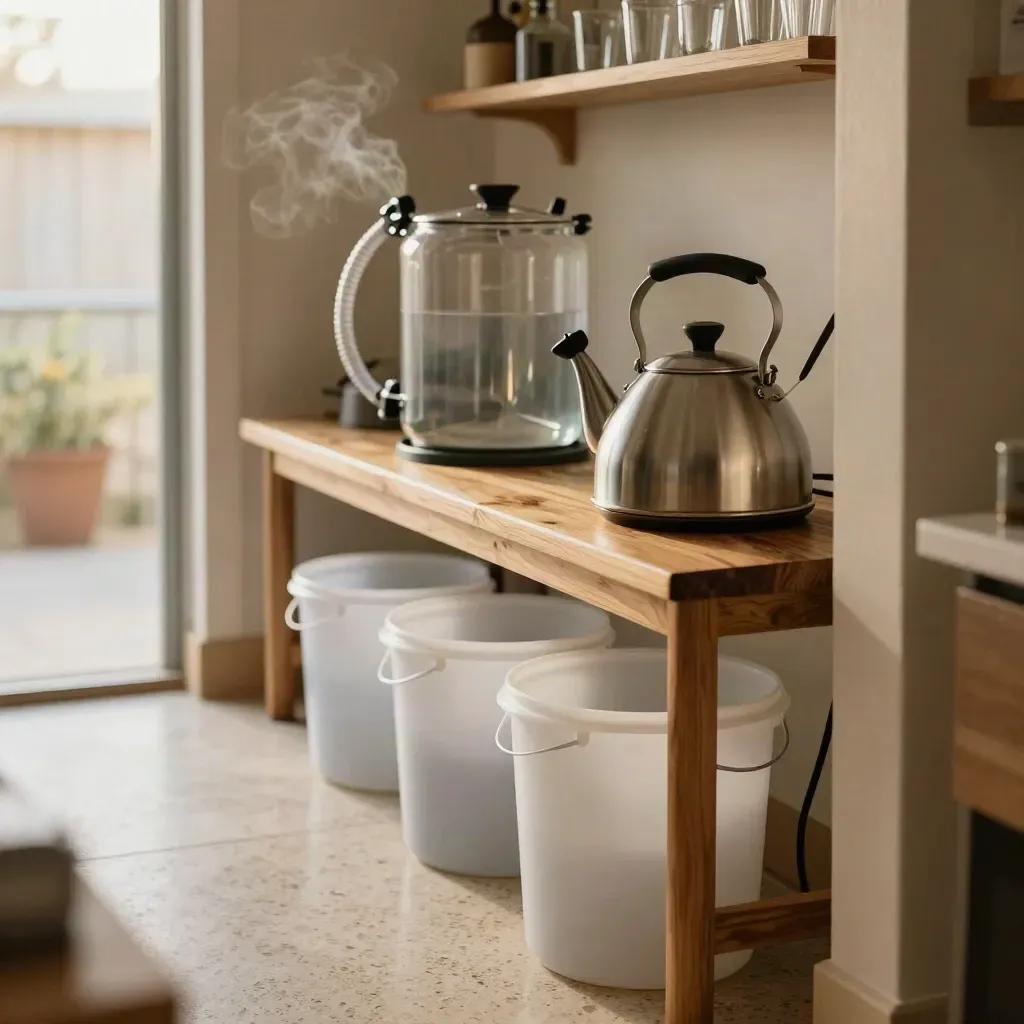
Print the steps, then keep your boil, chill, and clean-up on track.
Most saved
Print the steps, then keep your boil, chill, and clean-up on track.
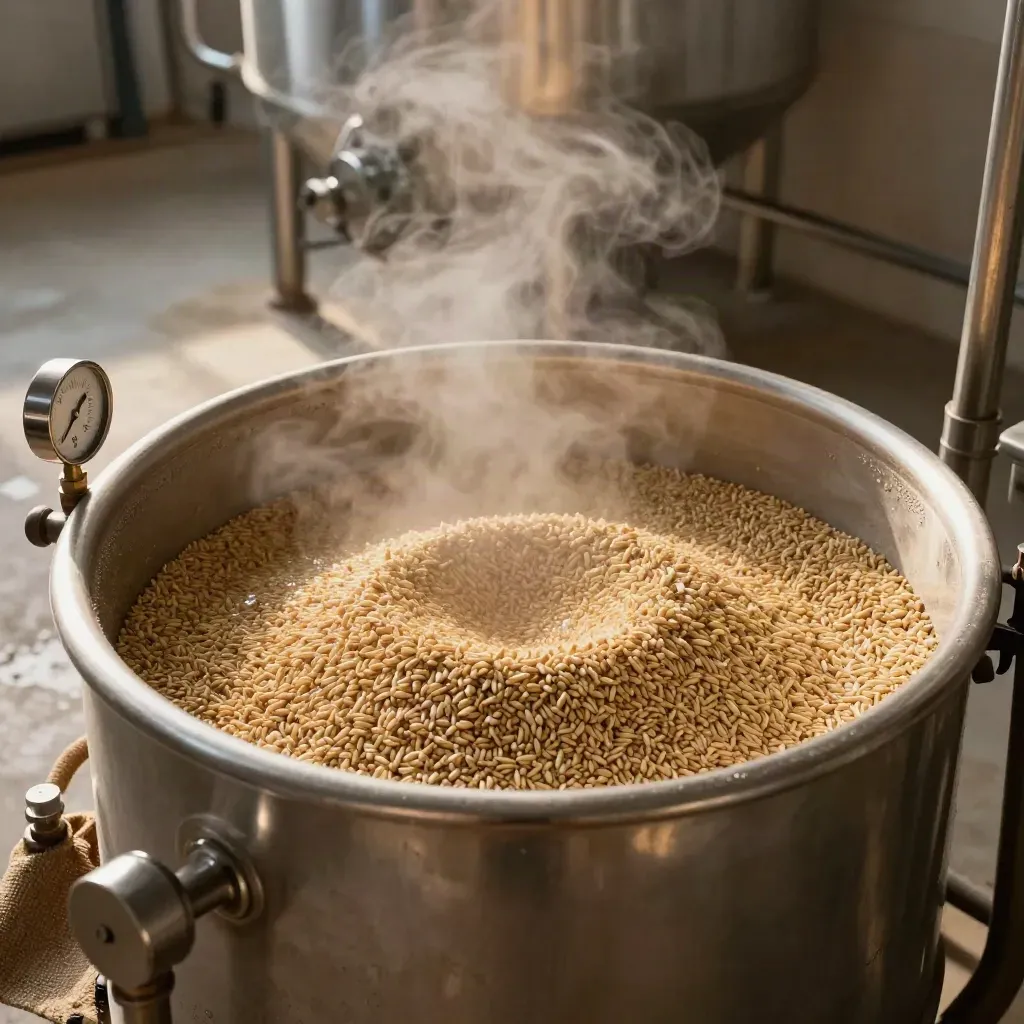
Use simple temp bands for pale, amber, and dark beer.
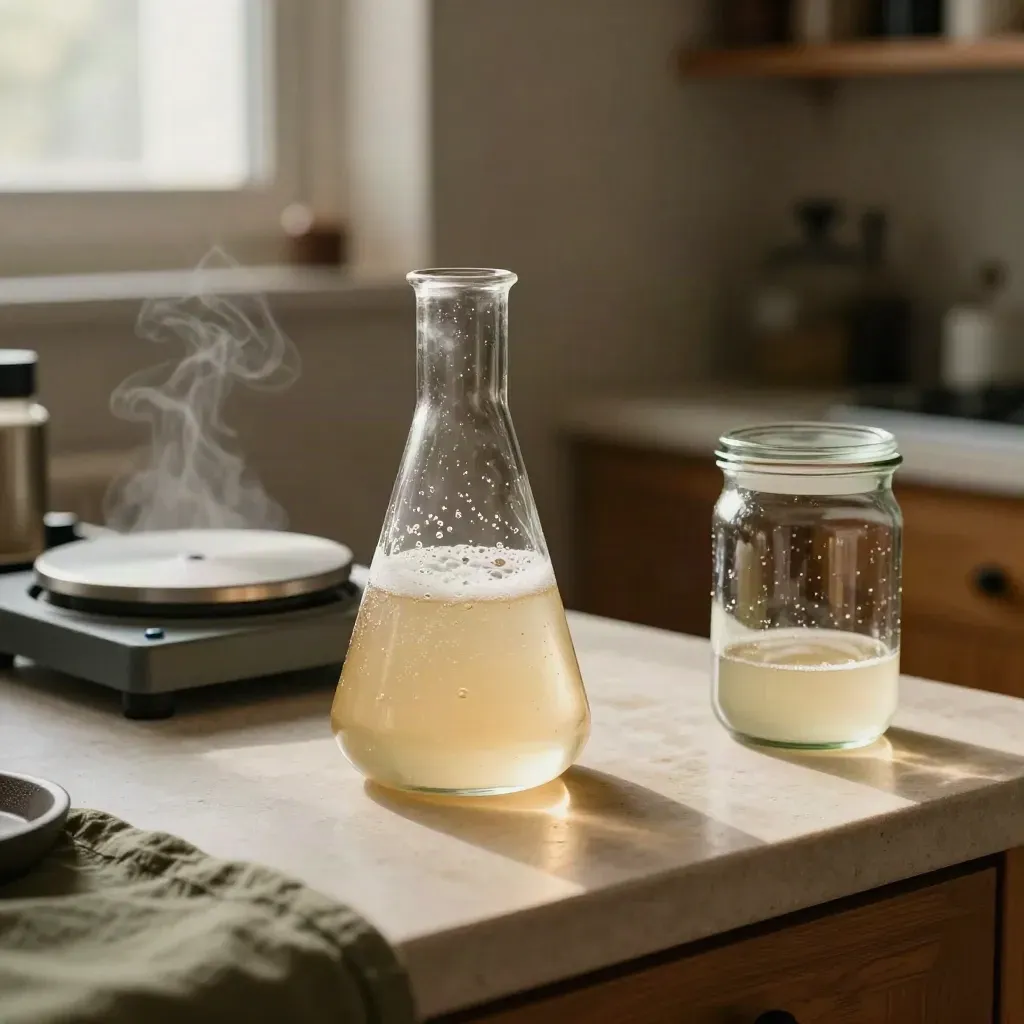
Know when a starter helps and how big it should be.
Wide
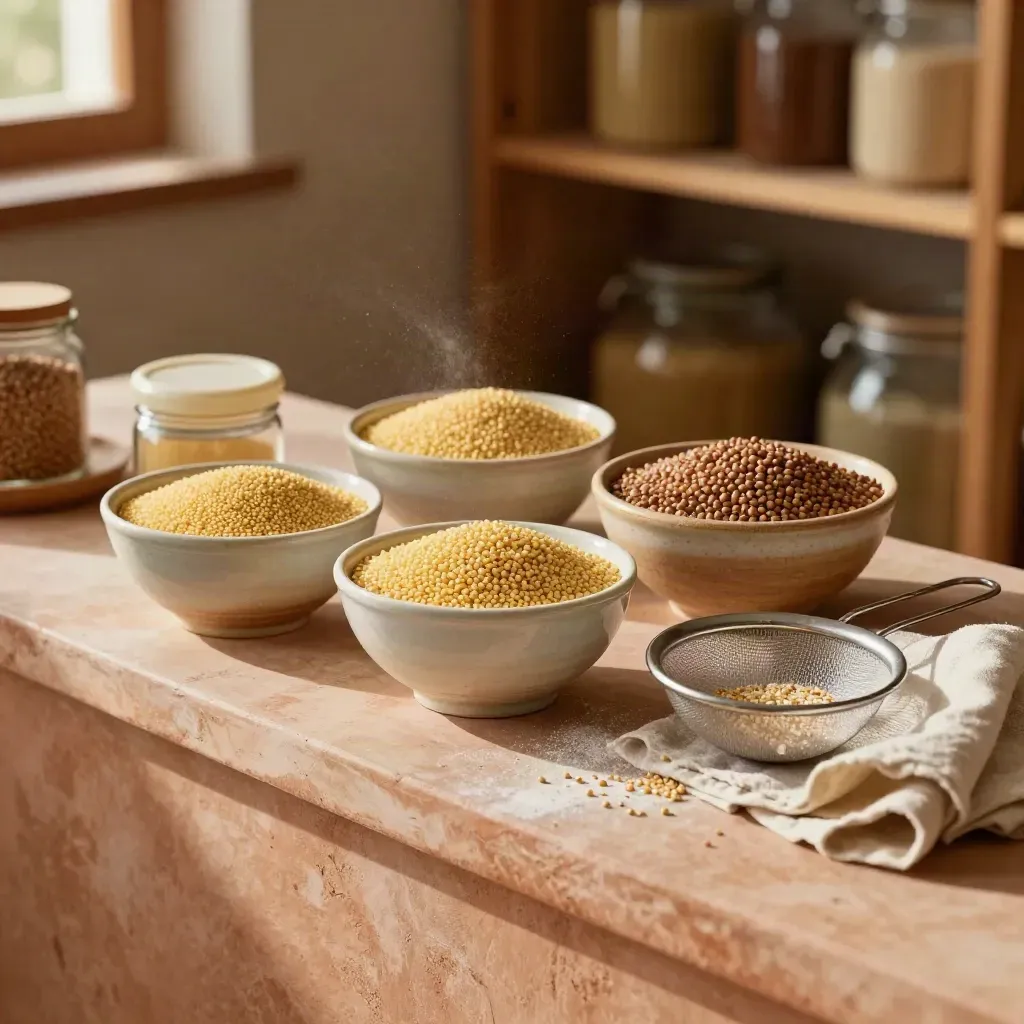
Choose grains, enzymes, and hops that fit the recipe.
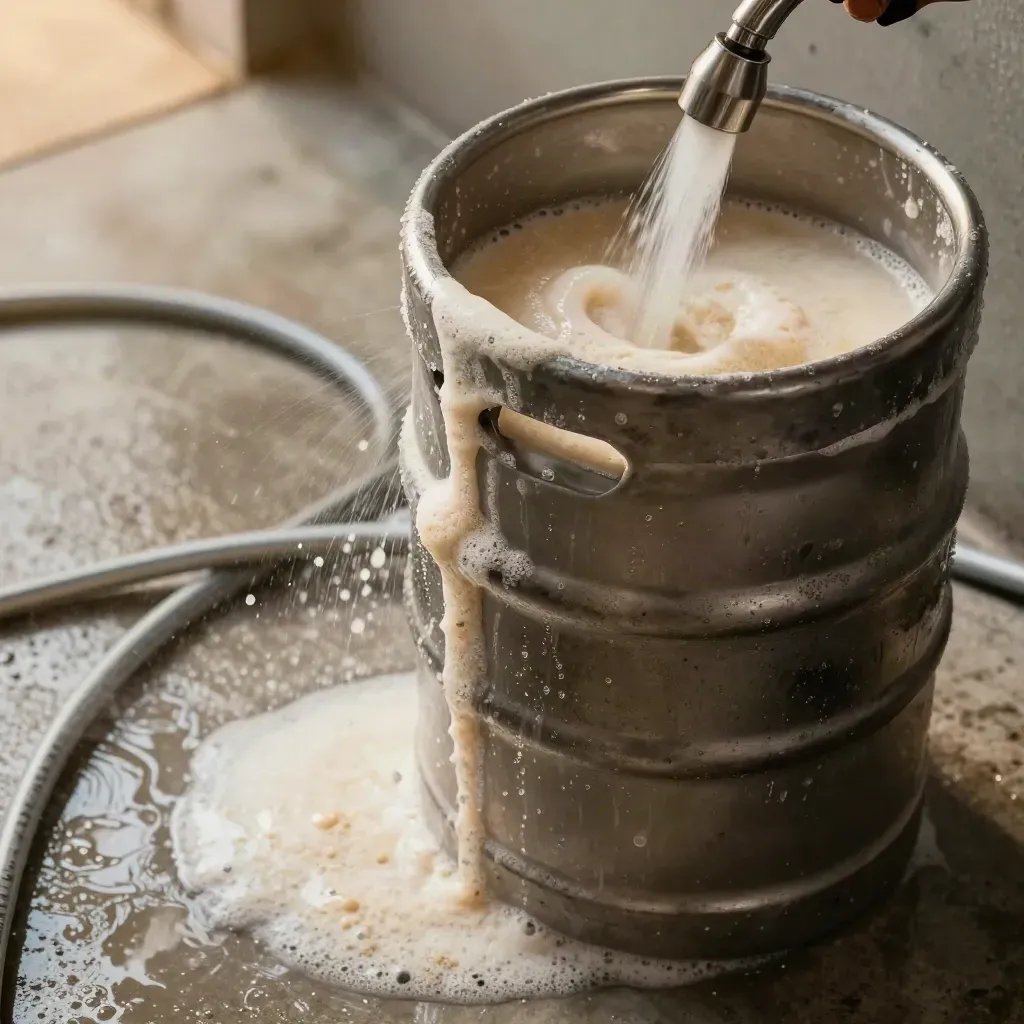
Keep lines fresh with a fast wash after every pour.
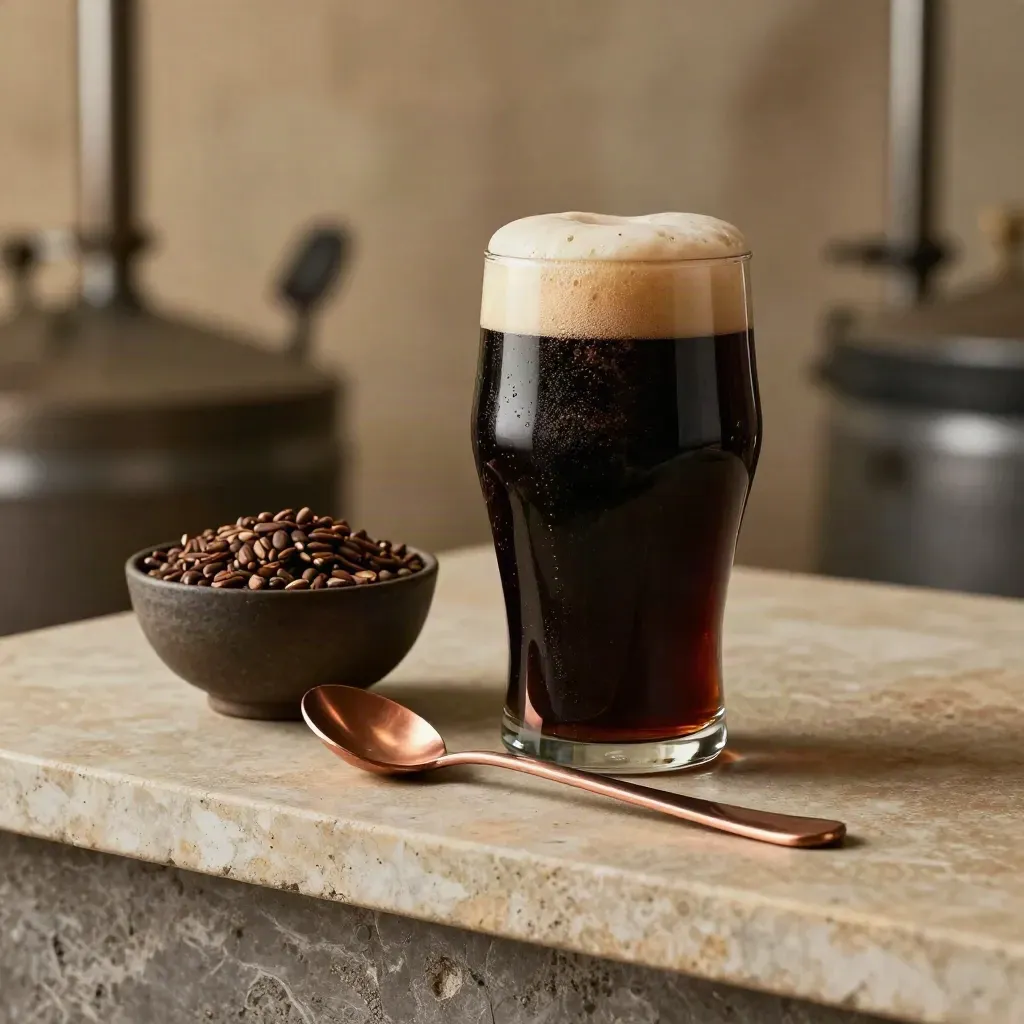
Roast, cream, and a smooth finish for a classic pint.
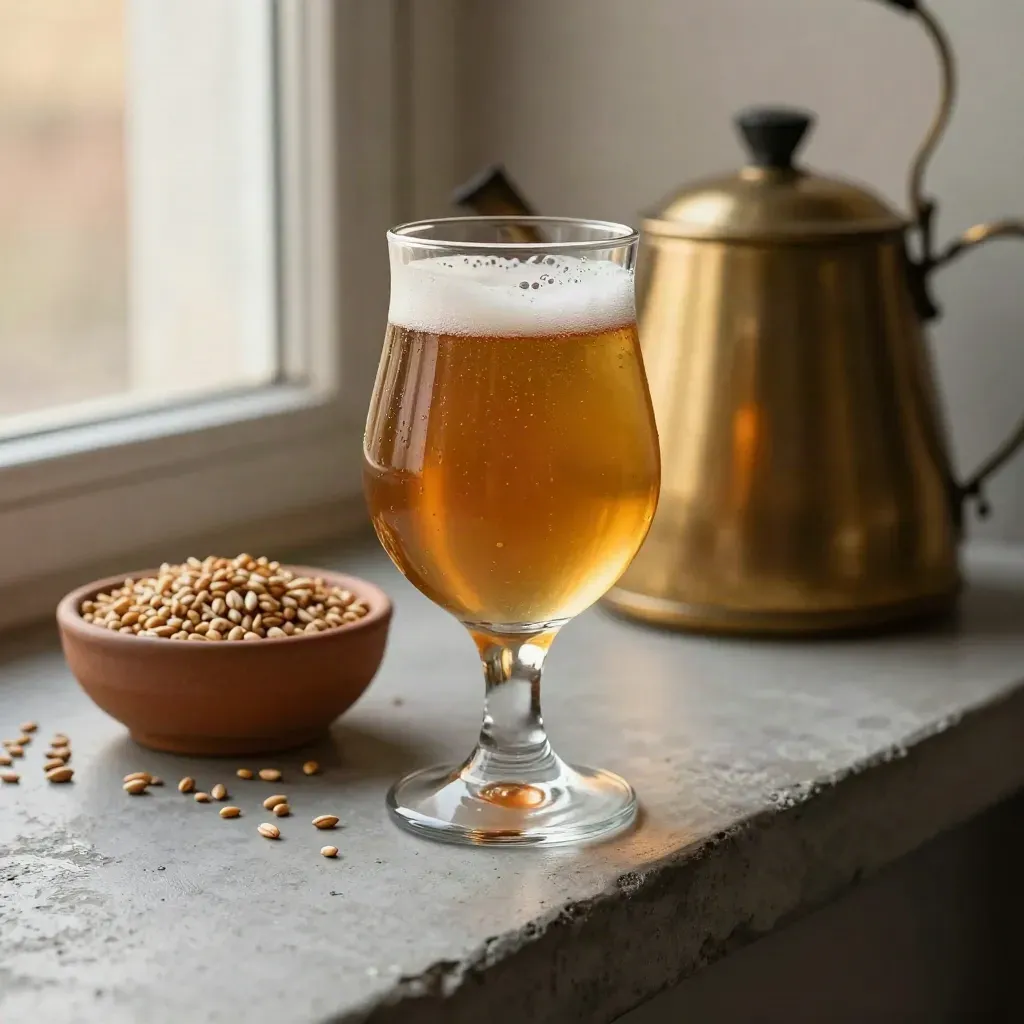
A malty beer with a warm color and light hop bite.
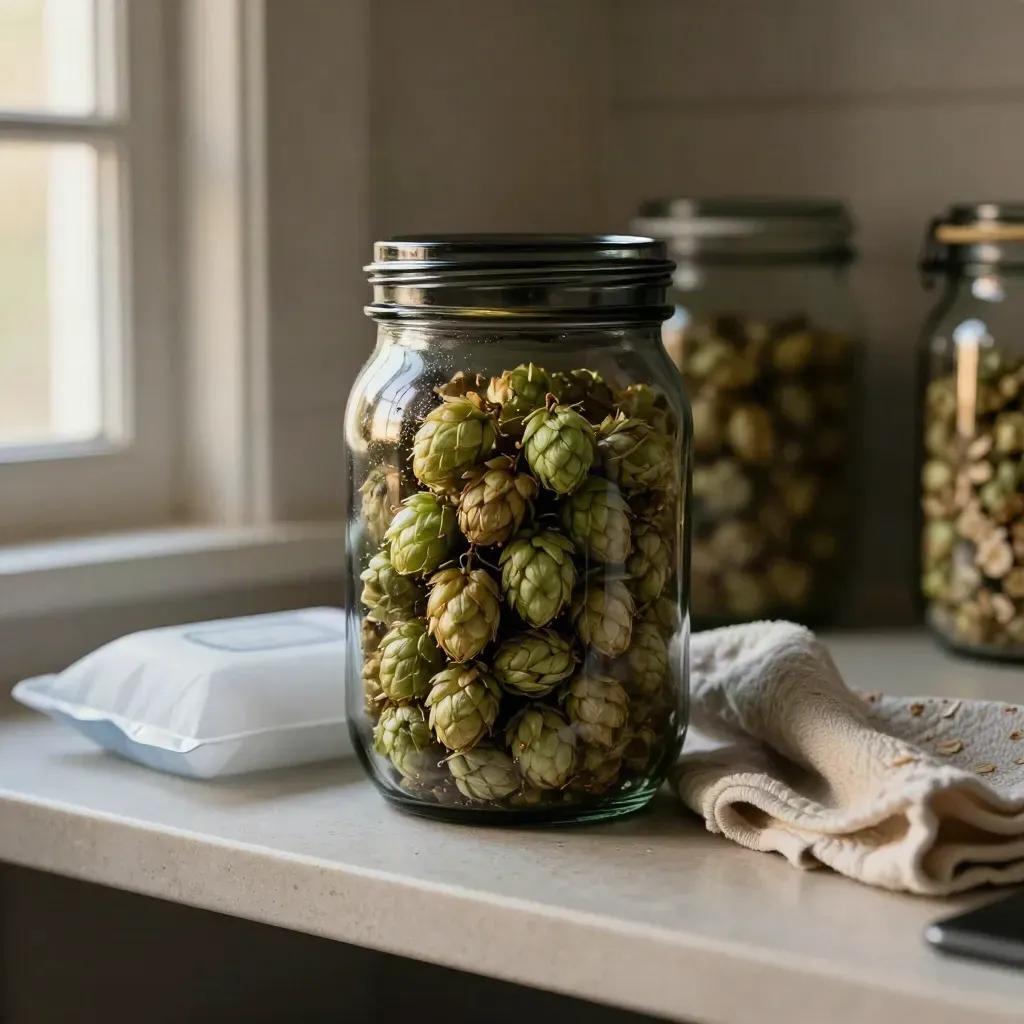
Keep pellets cold, dry, and out of light.
Journal



Questions
Quick answers before visitors choose a product, service, or next step.
Start with a clean kit, a simple recipe, fresh yeast, and one small batch. Keep notes so you can repeat what works.
Poor cleaning. Leftover grime and old sanitizer habits can change flavor fast, so wash tools well before every step.
Check yeast health, wort temp, and sugar levels. A stall often comes from cold beer, weak yeast, or low oxygen at pitch.
Yes, if you want repeatable batches. Gravity, water, and priming calculators help you hit the same results more often.
Most home brews do well with two to five days. Longer contact can add grassy notes, so taste and pull when aroma peaks.
Yes. One or two gallon batches are a smart way to test grain bills, hop blends, and yeast before you brew a full batch.
Get one short email each week with new recipes, fix-it tips, gear notes, and simple ways to make your beer cleaner, brighter, and easier to repeat.