Understanding Deepfake Technology in Professional Settings
In a digital landscape increasingly dominated by technology, the rise of deepfakes poses significant challenges for businesses. Deepfake technology involves the use of artificial intelligence to create hyper-realistic but entirely fabricated audio and video content. This innovation, while fascinating, has serious implications for the integrity of professional communications, especially in meetings where trust and authenticity are paramount.
As companies adapt to remote work and virtual meetings, understanding the potential risks associated with deepfake technology is crucial. One effective way to safeguard against these threats is through Deepfake-protected meetings, which employ advanced security measures to verify the identities of participants and ensure the accuracy of shared information.
What are Deepfakes and How Do They Work?
Deepfakes utilize machine learning algorithms to synthesize audio-visual content that can mimic real persons convincingly. The process typically involves training a neural network on a large dataset of images and sounds of the target individual. Once the model is trained, it can generate video content that replicates facial expressions, gestures, and even voice patterns, resulting in an incredibly realistic impersonation.
- Facial Swapping: The most recognizable aspect of deepfakes where the face of a real person is swapped with that of another.
- Voice Cloning: Advanced technology can replicate an individual’s voice, making it difficult to differentiate between real and fake audio.
- Real-Time Synthesis: Some applications allow for real-time generation, posing new challenges in live environments such as video conferencing.
The Rising Threat of Deepfake Use in Meetings
Deepfakes are not just a novelty; they present a real threat to corporate security and integrity. There have been recorded instances where malicious actors have used deepfake technology to impersonate executives, potentially leading to fraud, data breaches, and reputational damage. The use of deepfakes in meetings can undermine trust among team members and between businesses, as even a single incident could affect long-standing partnerships.
For example, imagine a scenario where a deepfake of a CEO is utilized to authorize a financial transaction. The implications of such an event could be catastrophic, leading to significant financial losses and legal ramifications.
Key Features of Deepfake Technologies to Watch For
As businesses navigate this complex landscape, it’s essential to be aware of the telltale signs of deepfake technology. Common indicators include:
- Inconsistent Audio-Visual Synchronization: Watch for any lag or mismatches between audio and video content.
- Unnatural Facial Movement: Fake videos often struggle to replicate natural human expressions accurately.
- Lighting and Shadow Inconsistency: Deepfakes may display unusual lighting effects that don’t match the surrounding environment.
Importance of Deepfake Protection in Meetings
The integration of deepfake protection is no longer optional; it’s essential for maintaining corporate integrity. Without robust security measures, organizations expose themselves to a range of risks. Protecting meetings from the potential impersonation inherent in deepfakes thus becomes a fundamental aspect of responsible corporate governance.
Why Every Business Needs Deepfake-Powered Security
With the growing sophistication of deepfake technology, the question isn’t whether attacks will occur, but when. Therefore, deepfake-powered security systems must be a priority. Such systems are designed to authenticate participants, monitor audio-visual content for signs of tampering, and alert users to potential threats in real-time.
Investing in these technologies not only enhances security but also builds trust within teams and with clients. Clients are more likely to engage with organizations that are proactive about protecting their communications.
The Impact of Deepfakes on Corporate Trust
Trust is a critical currency in business, and deepfakes threaten to erode that trust. Employees and stakeholders may become skeptical of virtual meetings if they fear they could be manipulated. The consequences of this skepticism can lead to decreased morale, mistrust among teams, and an overall reduction in collaboration.
To combat this, companies must foster open communication about deepfake risks and the measures in place to mitigate them. Establishing a culture of transparency can help restore confidence in virtual meetings.
Common Misconceptions About Deepfake Protection
Despite the alarming potential of deepfakes, various misconceptions persist about their protection:
- Only Tech Companies are Affected: Many believe deepfake threats only concern tech firms, but any business engaging in online communications can be targeted.
- Deepfake Protection is Too Expensive: While there is an upfront cost, the potential losses due to deepfake incidents often outweigh these investments.
- Current Solutions are Adequate: Many organizations underestimate the evolving nature of deepfake technology, which necessitates continual updates and enhancements to protective measures.
Best Practices for Conducting Deepfake-Protected Meetings
Ensuring the security of meetings involves implementing various best practices tailored to combat deepfake threats. The following strategies can significantly enhance protection:
Implementing Advanced Video Security Protocols
Integrate advanced security features within your video conferencing platforms. Technologies such as multi-factor authentication, end-to-end encryption, and watermarking can greatly mitigate risks related to deepfakes. Ensure that only authorized personnel can access sensitive meetings, and require identification verification before granting entry.
Creating a Culture of Awareness Around Deepfake Risks
Training employees on the risks associated with deepfake technology is crucial. Regular workshops and informational sessions can help staff recognize potential threats and understand the importance of secure meeting practices. Encourage a proactive approach to questioning unusual occurrences during meetings to foster greater vigilance.
Steps to Secure Yourself Against Deepfake Threats
To further secure meetings, organizations should adopt the following measures:
- Utilize Dedicated Software: Consider specialized software designed explicitly for detecting deepfakes in real-time.
- Regular Security Audits: Conduct periodic reviews of your security protocols to identify vulnerabilities.
- Establish Clear Protocols: Create a comprehensive guide for employees outlining procedures to follow if a deepfake incident is suspected.
Real-World Applications of Deepfake Protection
Understanding how deepfake protection can be applied in real-world scenarios is essential for seeing its tangible benefits. Various companies have successfully integrated deepfake protection measures into their operations.
Case Studies: Companies Successfully Using Deepfake Protection
Several organizations within the finance and tech industries have begun exploring sophisticated deepfake detection systems. For instance, Company A implemented a machine learning algorithm that analyzes video feeds for inconsistencies. Following this integration, they successfully thwarted several attempted impersonation attacks, safeguarding their confidential discussions.
Lessons Learned from Deepfake-Related Incidents
An incident involving Company B highlighted the need for vigilant deepfake defenses when a deepfake of an executive was circulated. Although no significant financial harm occurred, the ensuing reputational damage underscored the risks. Following this, Company B revamped its security measures and engaged in thorough staff training to prevent future occurrences.
Tools and Technologies for Effective Deepfake Protection
Various tools now exist to aid in deepfake detection and prevention:
- AI-Powered Analytics: These tools provide real-time analysis of video content to spot anomalies.
- Blockchain for Verification: Staying ahead of deepfake technology, some companies explore blockchain for securing identity verification.
- Integrated Security Solutions: Comprehensive platforms that combine video conferencing with deepfake detection capabilities require less manual intervention and offer seamless protection.
Future Trends in Meeting Security and Deepfake Protection
As we look to the future, several emerging technologies and trends are poised to shape meeting security against deepfakes.
Emerging Technologies Shaping the Future of Digital Meetings
Advancements in AI and machine learning will continue to improve deepfake detection capabilities. Additionally, the adoption of biometric verification methods, such as facial recognition and voice identification, will likely become standard practice to authenticate meeting participants.
Predictions for the Next Five Years in Video Security
Over the next five years, we expect a significant increase in the sophistication of deepfake technology, leading to more targeted attacks. Consequently, protective measures will need to evolve rapidly. Companies that do not adapt or invest in robust security solutions risk falling victim to these threats, with potentially devastating consequences.
The Role of Legislation in Deepfake Awareness and Protection
Given the urgency of the deepfake dilemma, legislative action is likely to play a crucial role in shaping the future of deepfake protection. We could see enhanced regulations requiring companies to implement specific detection measures, effectively standardizing deepfake protection across industries.
What is the best way to protect video meetings from deepfakes?
The best protection combines technology with training and secure protocols. Regular updates to detection software, coupled with employee awareness, form a comprehensive defense strategy.
Are current deepfake protection methods effective?
As technology progresses, so do the methods for creating deepfakes. Consequently, protection methods must continuously evolve and adapt to counteract these advancements effectively.
What are the signs that a meeting is compromised by a deepfake?
Signs include visual discrepancies, synchronization issues, and abnormal behavior of participants. Awareness of these cues is essential for maintaining meeting integrity.
Why is deepfake detection important in corporate settings?
Deepfake detection is vital in corporate settings to safeguard information, maintain trust among employees and clients, and prevent financial loss and reputational damage.
How will deepfake technology evolve by 2026?
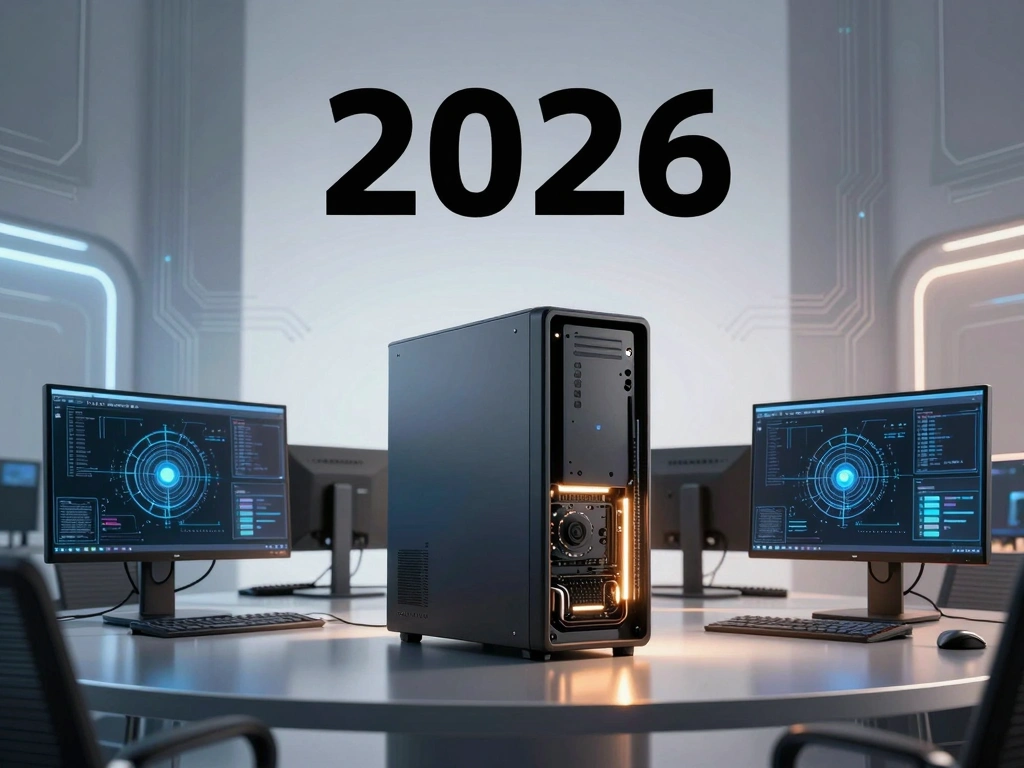
By 2026, we can expect deepfake technology to become more sophisticated, making detection increasingly challenging. As a result, organizations must prioritize proactive measures against potential threats to secure their communications.