Understanding the Concept of Not Finding Out the Baby's Gender
Choosing whether or not to find out the gender of your baby is a deeply personal decision that has been shaped by cultural, historical, and psychological factors. In recent years, many parents have opted to keep this information a surprise, embracing the thrill and joy that comes with the unknown. As more families choose this path, it becomes essential to explore the underlying reasons and implications. For those intrigued by this evolving trend, why not find out more can illuminate various perspectives and experiences around not revealing the baby's gender.
1. Historical Perspectives on Gender Revelations
The tradition of revealing a baby's gender has evolved significantly over the years. In many cultures, gender was often viewed as a critical aspect of family identity, influencing everything from naming conventions to social expectations. In the past, it was common practice for families to remain uninformed about the baby’s gender in order to uphold a sense of mystery and surprise. This practice was not merely for enjoyment but also stemmed from societal norms that prioritized family lineage and inheritance, which were often tied closely to gender.
Historically, many cultures have celebrated births with gender-specific rituals. For instance, in some Indigenous communities, gender was treated as a communal secret until birth, fostering a sense of anticipation among family and friends. This cultural underpinning is now experiencing a renaissance as modern parents embrace the unpredictability of not knowing the baby's gender.
2. Cultural Variations in Gender Disclosure Practices
Gender disclosure practices vary greatly across different cultures. In many Western societies, the trend of revealing the baby's gender during pregnancy has surged in popularity, particularly with the advent of advanced imaging technologies like ultrasound. However, in various cultures worldwide, the anticipation surrounding a child's birth remains intact, and revealing the baby's gender is seen as unnecessary or even taboo.
- Asian Cultures: In some Asian cultures, the gender of the baby is often kept secret until birth due to traditional beliefs about auspiciousness and fortune associated with the child's gender.
- Indigenous Practices: Certain Indigenous groups celebrate the arrival of a child without focusing on gender, emphasizing the spiritual and communal significance of the new life rather than its gender classification.
- European Trends: European families show a mix of preferences; while some embrace gender reveals, others, particularly in Scandinavian countries, promote gender neutrality in parenting, thereby diminishing the importance of gender identification.
3. Psychological Impacts of Waiting for the Surprise
Choosing to wait for the baby's gender until birth can have profound psychological effects on parents. This decision often creates a unique bonding experience as couples navigate their pregnancy together, contemplating names and imagining their future child without the constraints of gender stereotypes. The psychological thrill of surprise can lead to increased joy and excitement at the time of birth.
Furthermore, studies suggest that parents who opt for gender surprises often report higher levels of satisfaction during the birthing experience. The anticipation can enhance emotional engagement with the pregnancy and foster a deeper connection with the unborn child. On the other hand, some parents may experience anxiety due to the uncertainty of what to expect, thus highlighting the need for supportive networks during this period.
Common Reasons Parents Choose Gender Surprises
1. Embracing the Excitement of Uncertainty
For many expectant parents, the idea of waiting to find out their baby's gender is exhilarating. The element of surprise transforms the pregnancy journey into a suspenseful adventure. Each day brings new questions and possibilities, fostering a sense of anticipation that can make the experience more vibrant and memorable.
This excitement can also extend to friends and family, who often eagerly await the revelation during the birth. This collective anticipation strengthens community bonds and fosters shared experiences, making the moment of birth a much-anticipated event.
2. Avoiding Stereotypes and Gender Expectations
Many parents choose to keep their baby's gender a secret to avoid preconceived notions and stereotypes associated with gender. These expectations can influence everything from the colors chosen for nursery décor to the types of toys given to the child. By not revealing the gender, parents aim to create an environment where their child can express themselves freely, without the constraints of societal norms.
In today's increasingly progressive society, parents are more mindful of fostering an inclusive environment that encourages their child’s individuality, regardless of gender. This approach empowers children to explore their identities authentically and organically, unfettered by societal pressures.
3. Creating a Unique and Memorable Experience
In an age where consumer culture often overshadows personal experiences, many parents are seeking to create unique memories that will last a lifetime. Waiting to learn the sex of the baby offers parents an opportunity to engage in a shared journey of discovery. This experience of surprise is not just memorable for the parents, but also for the community that shares in the baby's arrival.
Creative alternatives like gender-reveal parties are gaining popularity, where the actual gender might not be revealed until the moment of birth, creating a suspenseful climax filled with joy and emotion. Such practices contribute to a personalized narrative of the pregnancy journey that many cherish for years to come.
Practical Tips for Planning a Gender Surprise Reveal
1. Creative Ideas for Celebrating the Surprise
Planning for a gender surprise can be both fun and creative. Here are some ideas to enhance the experience:
- Surprise Birth Announcement: Consider a grand announcement that discloses the baby's gender alongside their birth details.
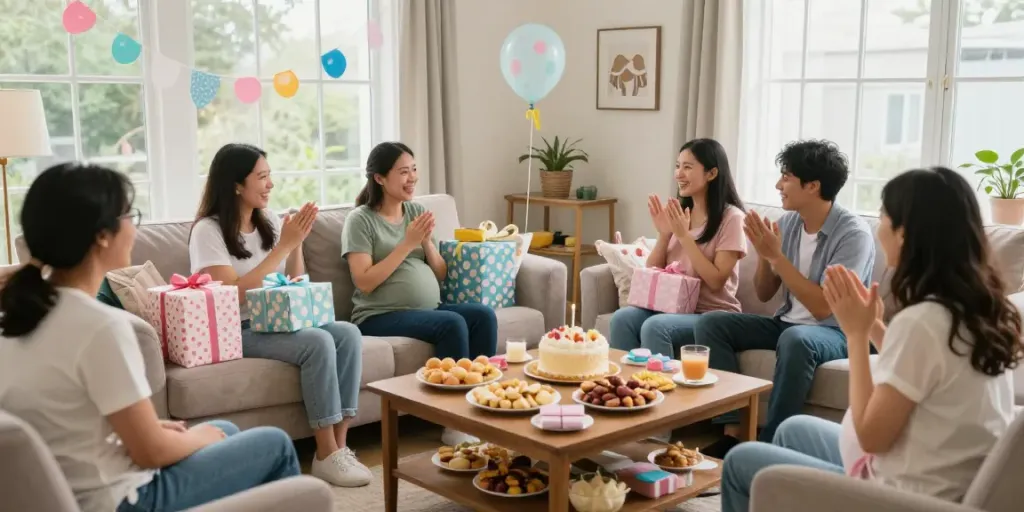
- Theme-Based Reveal Parties: Host a party that centers around the theme of 'waiting for the surprise,' encouraging guests to bring gifts in neutral colors.
- Personalized Decorations: Decorate the nursery in a way that remains neutral, allowing room for personal expression regardless of the child’s gender.
2. Involving Family and Friends in the Experience
Including family and friends in the journey can enrich the experience immensely. Consider asking loved ones to help with preparations or to contribute ideas for celebrations. Here are some ways to engage them:
- Consultation on Names: Invite family members to suggest names that resonate with them, keeping the gender a mystery.
- Group Outings: Host outings where family members can bond over the shared anticipation of the upcoming birth.
- Shared Journals: Create a journal where family and friends can write predictions about the baby’s gender, allowing everyone to contribute to the experience.
3. Documenting the Journey with Photography
Capturing moments throughout the pregnancy journey can be incredibly meaningful. Here are tips for documenting your unique experience:
- Milestone Photography: Schedule regular photo sessions to capture the growing baby bump and the anticipation surrounding the unknown gender.
- Video Diaries: Create a series of video updates discussing feelings and thoughts about the pregnancy without revealing the gender.
- Gender Themed Props: Use props that reflect the theme of surprise, such as question marks or neutral colors, for a fun visual representation.
Addressing Common Concerns and Misconceptions
1. Managing Expectations and Giving Up Control
One of the most significant challenges for expectant parents who choose not to find out the baby's gender is managing expectations. It’s essential to recognize that while the anticipation can be exciting, it can also evoke feelings of stress and uncertainty. It is crucial for parents to communicate openly about their feelings and to lean on their support system during this time.
- Set Realistic Expectations: Understanding that every birth experience is unique can help ease anxiety.
- Discuss Concerns: Don’t hesitate to share fears or anxieties with a partner or support group.
2. Overcoming Social Pressures Around Gender Norms
Parents may feel pressure from society to conform to various gender norms, and this can be heightened when they choose to keep the gender a secret. It is essential to establish firm boundaries with friends and family, ensuring that your choice is respected. Educating loved ones about your decision can foster understanding and support.
3. Understanding Gender Disappointment and Its Impact
Gender disappointment is a real concern for many parents, especially if they have a strong desire for a specific gender. It’s crucial to acknowledge these feelings while also focusing on the joy of bringing a new life into the world. Consider speaking with a counselor or joining a support group if feelings of disappointment linger.
The Future of Gender Reveals: Trends for 2026 and Beyond
1. How Technology Influences Gender Reveal Trends
As technology continues to advance, its role in gender reveal practices will likely evolve. Innovations in prenatal imaging are already changing how parents view their unborn children and their genders. The rise of VR experiences may soon allow parents to "experience" their child's gender reveal in immersive ways, adding another layer to the anticipation.
2. Evolving Attitudes Towards Gender and Identity
As society continues to move towards more inclusive understandings of gender, the practice of revealing a baby’s gender might shift away from binary notions. More parents may choose to embrace gender-neutral language and practices, encouraging autonomy and freedom of identity for their children.
3. Predictions for Celebratory Practices in 2026
Looking ahead, it's likely that more parents will celebrate their child’s uniqueness rather than adhering strictly to gender norms. Celebrations may become more focused on the joy of new life rather than the gender itself. Events that emphasize diversity and inclusivity in the context of childhood may become commonplace, enabling parents to redefine their own celebrations.
Why is it so common to wait?
The trend of waiting to find out the gender of a baby is becoming more common due to the combination of cultural shifts towards individuality and experiences that prioritize personal journeys over societal expectations. This evolution fosters a climate where parents can make choices that resonate with their values.
What are the benefits of keeping gender a surprise?
Keeping the gender a surprise can lead to more profound emotional connections to the pregnancy and child, creating a unique storytelling opportunity that parents can share with their children in the future.
How can I involve family in the surprise?
Engaging family members in the surprise can enhance the experience, allowing them to contribute to discussions around names and celebrations while respecting the choice not to reveal the gender.
What are some fun ideas for gender reveal celebrations?
Creative ideas for celebrations include themed parties, scavenger hunts, or surprise reveals that use playful elements, such as colored confetti or balloons, to add excitement to the birth experience.
What are the emotional impacts of not finding out?
Emotionally, not finding out the gender can create a deeper bond between parents and their unborn child, allowing for a journey filled with curiosity and imagination, extending into their child's life beyond birth.