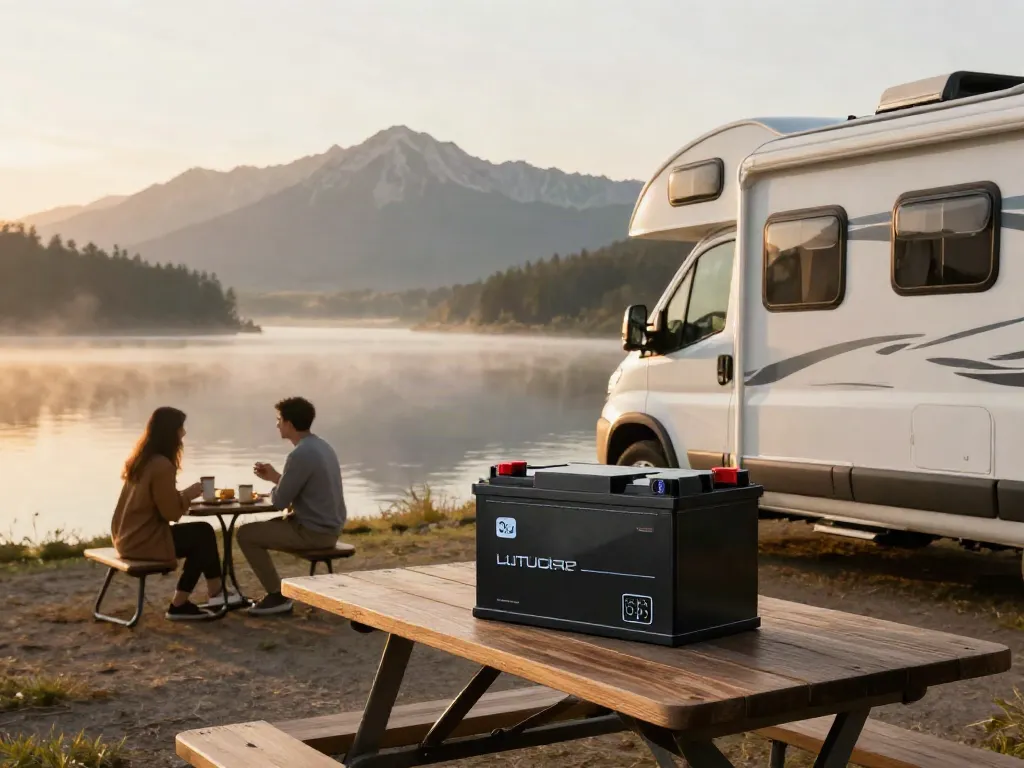
Understanding Lithium Batteries for RV
As the demand for sustainable energy solutions grows, many RV enthusiasts are turning to advanced power systems to enhance their off-grid experiences. Among the popular choices, lithium batteries for rv stand out for their efficiency, durability, and weight-to-power ratio. Lithium batteries provide a modern alternative to traditional lead-acid batteries, enabling travelers to enjoy longer trips with fewer charging concerns.
What Are Lithium Batteries and How Do They Work?
Lithium batteries, particularly the lithium iron phosphate (LiFePO4) variant, harness lithium ions to store and release energy. When charged, lithium ions move from the positive electrode (cathode) to the negative electrode (anode). During discharge, this process reverses, allowing the stored energy to power your RV's appliances and systems. Their inherent chemistry makes them less prone to overheating and degradation compared to other lithium-ion options, resulting in a longer lifespan and greater reliability.
Differences Between Lithium Batteries and AGM Batteries
Absorbed Glass Mat (AGM) batteries have been thego-to choice for RV users for years due to their robust performance and lower initial costs. However, key differences set lithium batteries apart:
- Lifespan: Lithium batteries can last up to 10 years or more, while AGM batteries typically last 3-5 years.
- Weight: Lithium batteries are considerably lighter, allowing for better weight distribution and higher energy densities.
- Depth of Discharge: Lithium batteries can safely discharge up to 90-100%, while AGM batteries should only be discharged to about 50% to maintain their lifespan.
- Voltage Stability: Lithium batteries provide a consistent voltage output throughout the discharge cycle, unlike AGM batteries whose voltage drops significantly as they deplete.
Key Benefits of Lithium Batteries for RV
Switching to lithium batteries offers numerous advantages for RV owners, specifically in enhancing the overall camping experience:
- Efficiency: Lithium batteries charge faster and provide more usable power, essential for those who rely on solar energy and want quick charging solutions.
- Lightweight: Reduced weight contributes to better fuel efficiency and payload management.
- Maintenance-Free: Unlike lead-acid batteries, which require regular maintenance, lithium batteries are virtually maintenance-free, saving you time and effort.
- Environmentally Friendly: Lithium batteries can typically be recycled more effectively than their lead-acid counterparts, aligning with eco-friendly practices.
Why Choose Epoch Lithium Batteries for Off-Grid Travel?
Epoch has established itself as a renowned name in the lithium battery market, particularly for RV applications. Their commitment to innovation and quality ensures that users experience unparalleled power solutions. Epoch's product offerings include several series tailored for different energy needs, such as the Elite, Pro, Essential, and Eco series.
Overview of Epoch Battery Series: Elite, Pro, Essential, Eco
Epoch's diverse range includes:
- Elite Series: Known for high capacity and integrated Bluetooth monitoring, these are ideal for tech-savvy users who want complete visibility of their battery performance.
- Pro Series: Dual-purpose batteries that can start your engine while simultaneously supporting house loads, making them versatile for any RV setup.
- Essential Series: Cost-effective solutions that provide reliable power without compromising quality, perfect for users new to lithium technology.
- Eco Series: Lightweight and compact, they offer essential features for budget-conscious users who still demand quality performance.
Technological Innovations: Smart BMS and Bluetooth Monitoring
Epoch lithium batteries come equipped with a Smart Battery Management System (BMS) that enhances safety and efficiency. This technology protects against overcharging, excessive discharging, short-circuiting, and extreme temperatures. Additionally, models with Bluetooth connectivity allow users to monitor battery health directly from their smartphones. This includes real-time data on state of charge, voltage, and current, empowering RV owners to make informed decisions while on the road.
Comparative Advantages Over Competitors
When comparing Epoch batteries to other brands such as Battle Born and Dakota Lithium, several advantages emerge:
- Warranty: Epoch offers warranties of up to 11 years, demonstrating confidence in their products' durability and performance.
- Customization: With various models tailored to different energy needs, from casual campers to full-time travelers, Epoch batteries cater to a wide audience.
- Advanced Features: Many Epoch models include self-heating capabilities for cold weather, ensuring reliable performance in diverse conditions.
Choosing the Right Lithium Battery for Your RV
Choosing the correct lithium battery is crucial for optimizing your RV experience. Consider the following factors:
Factors to Consider: Daily Energy Needs and Travel Conditions
Assess your daily energy usage, which includes lighting, appliances, and any additional devices you plan to operate. Factors such as travel frequency, climate, and duration away from electrical hookups will also influence your selection. Analyzing these aspects ensures that you select a battery that meets your requirements without unnecessary excess.
How to Size Your Lithium Battery Bank Effectively
Battery sizing involves calculating your energy needs and determining the capacity required to support them. As a rule of thumb, consider your average daily consumption and multiply it by the number of days you want to remain off-grid. This calculation gives you a baseline capacity requirement, helping you choose among the options available in the Epoch product line.
Integration with Existing Systems: Chargers and Inverters
The compatibility of lithium batteries with your current RV systems is vital. Ensure that your charger, inverter, and solar setup are all designed to accommodate lithium technology. Upgrading to lithium may necessitate some adjustments to these components, so be prepared for a complete electrical-system project rather than a simple swap.
Installation and Maintenance of Lithium Batteries
Proper installation and maintenance of lithium batteries can significantly affect their performance and longevity.
Step-by-Step Installation Guide for RV Owners
1. Disconnect your old battery system.
2. Secure the new lithium battery in its location, ensuring it’s stable and protected.
3. Connect the positive terminals first, followed by the negative.
4. Ensure all connections are tight to prevent any power loss.
5. Test the system before heading out to ensure everything is functioning correctly.
Common Installation Mistakes and How to Avoid Them
Common pitfalls include:
- Improper terminal connections, which can lead to short circuits.
- Failure to check compatibility with existing charging equipment.
- Ignoring manufacturer specifications for installation space and ventilation.
Maintenance Tips for Longevity and Performance
While lithium batteries are low maintenance, following these tips can further enhance their lifespan:
- Regularly monitor the battery’s state of charge using the built-in BMS or Bluetooth app.
- Avoid deep discharges below the recommended levels.
- Store batteries in a cool, dry place when not in use, ideally at 50% charge.
Future Trends and Considerations in Lithium Technology
As technology evolves, the future of lithium batteries for RV applications looks promising. Innovations continue to enhance efficiency, safety, and user experience, making them an even more attractive option for RV owners.
Emerging Developments in Lithium Battery Technology for 2026
New advancements are likely to include:
- Higher Energy Densities: Allowing for smaller, lighter batteries with greater storage capabilities.
- Enhanced Recycling Methods: Improving sustainability and reducing the environmental impact of battery production.
- Smart Integration: Further integration with smart home systems for real-time energy management, enhancing user control.
Predicting User Adoption Trends and Growth in RV Markets
As consumers become increasingly aware of the benefits of lithium technology, user adoption is expected to rise dramatically. With the growing popularity of off-grid adventures, more RV manufacturers are likely to offer lithium battery options as standard in their vehicles.
Expert Insights on Sustainable Energy Solutions for RVing
Industry experts emphasize the importance of sustainable practices in RVing. The shift towards lithium batteries is not just a trend; it represents a broader commitment to reducing environmental footprints and enhancing energy efficiency on the road.
Frequently Asked Questions
Are lithium batteries worth it for RV?
Yes, lithium batteries provide numerous benefits over traditional lead-acid batteries, including longer lifespan, reduced weight, and more usable power. They allow RV owners to spend more time off-grid without the need for frequent recharging.
How long will a 12v fridge run on a 100Ah lithium battery?
A 100Ah lithium battery can run a 12V fridge for approximately 24 to 30 hours, depending on the fridge's power usage and ambient temperature conditions.
What is the biggest disadvantage of a lithium-ion battery?
The primary disadvantage is the upfront cost. Lithium batteries are more expensive to purchase compared to lead-acid options, which can deter budget-conscious consumers. However, their long-term savings and performance often justify the initial investment.
What is the best lithium battery for an RV?
The best lithium battery for an RV depends on your specific needs. Epoch batteries stand out in the market for their durability, efficient energy handling, and innovative technology, making them a top choice for many RV enthusiasts.