
Historical Overview of แมนฯยูไนเต็ด vs ลิเวอร์พูล Rivalry
The fierce rivalry between Manchester United and Liverpool is not merely a contest of skill on the pitch; it transcends into a deep-seated battle for pride and heritage. With roots that trace back to the industrial revolution, where both cities thrived due to their ports and manufacturing, the competition has evolved from local skirmishes to a global phenomenon. This rivalry encapsulates over 100 years of footballing history that captivates millions of fans around the world. In the context of this storied competition, the website แมนฯยูไนเต็ด vs ลิเวอร์พูล offers a comprehensive database of statistics and historical context that enriches the understanding of this notorious clash.
Origins and Evolution of the Rivalry
The rivalry began in the 1880s, fueled by the proximity of the two cities and their burgeoning football clubs. Liverpool was founded in 1892, followed by Manchester United (originally Newton Heath) in 1878. The football culture took a significant turn when both clubs consistently competed for titles in the early 20th century. By the 1960s, under the management of Bill Shankly and Matt Busby, both clubs amplified their success, leading to a rivalry defined by numerous iconic matches and memorable moments.
Key Matches that Shaped the Rivalry
Throughout the years, several key matches have become etched in the memories of fans. Notably, the 1985 FA Cup Final, where Liverpool triumphed 3-1, solidified Liverpool's dominance in that era. In stark contrast, the 1994 Premier League match, where United won 4-0, marked the beginning of United's era of prominence under Sir Alex Ferguson. Each match between these two teams carries with it a narrative that continues to enhance their storied rivalry.
Fan Culture and Its Impact on the Teams
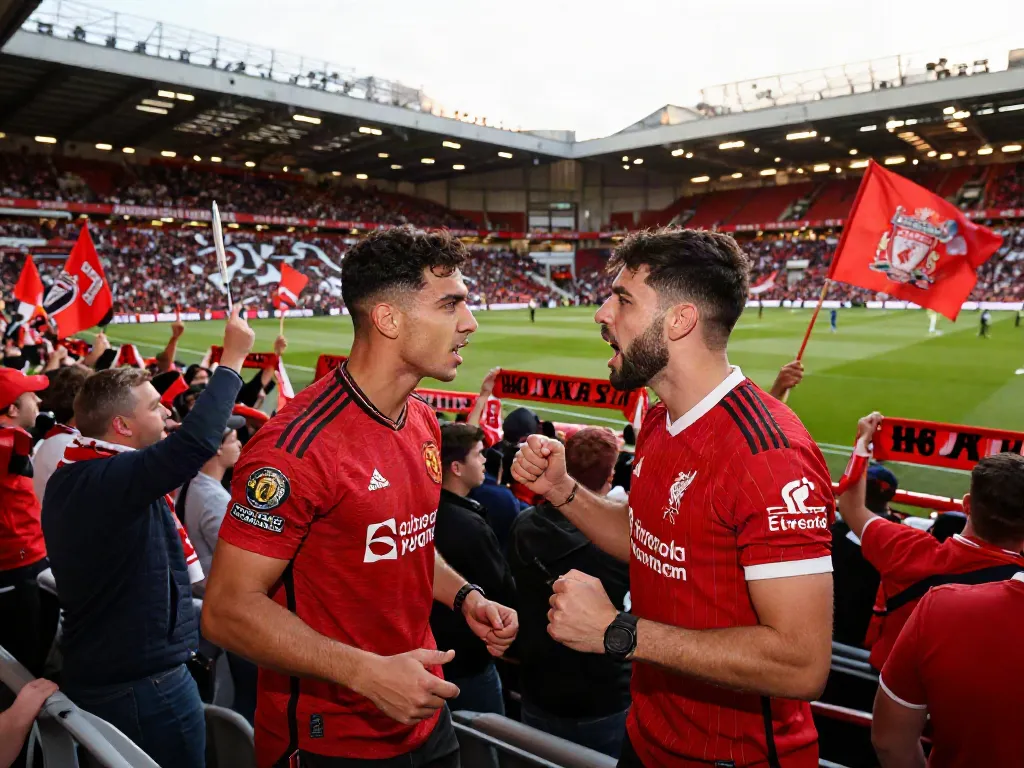
The fan culture surrounding both Manchester United and Liverpool is unparalleled. Both sets of supporters have passionate followings that significantly impact the atmosphere during matches. This rivalry is often depicted in the chants, banners, and communal gatherings that celebrate their respective heritages. The emotional stakes attached to each match ensure that every encounter is more than just football; it’s a contest of regional pride and identity.
Statistical Comparison: Performance Metrics
Understanding the stats behind the rivalry provides insight into each club's strengths and weaknesses. Over the course of their encounters, statistical categorizations like goals scored, assists, and overall match outcomes help to paint a clearer picture of the competition's dynamics. In this regard, fans and analysts alike can evaluate not just the present but the historical context that has shaped both teams into what they are today.
All-Time Goals Scored: Historical Context
As of May 3, 2026, Manchester United has outscored Liverpool by a narrow margin. The tally reads 296 goals for United against 294 for Liverpool in their competitive matches. This statistical rivalry exemplifies the slender margins that typically separate the two teams, enhancing the anticipation leading up to each match. Each goal scored in this rivalry tells a story and contributes to the lore that fans celebrate.
Assists and Key Playmakers in Focus
In terms of assists, Manchester United leads with a total of 1,659 assists compared to Liverpool's 1,590 assists in the Premier League. This statistic highlights United's legacy of influential playmakers, from David Beckham to Bruno Fernandes, strengthening their attacking play throughout the years. Liverpool, however, also boasts formidable creators like Mohamed Salah, whose contributions add to the competitive edge of this rivalry.
Winning Percentages and Match Outcomes
The historical head-to-head record shows a tightly contested number of games, with both teams achieving significant victories over the decades. With Manchester United historically holding a slight edge in overall wins, the competition remains electrifying, with each new season bringing fresh narratives and results that can sway the statistics in favor of one or the other.
Achievements and Trophies: A Legacy Assessment
When assessing the legacy of both clubs, trophy counts are often central to the discussion. Each season not only represents a battle for league positions but also an opportunity to add to their storied trophy cabinets.
Total Trophies Won by Each Club
As of today, Liverpool boasts a total of 52 major trophies, including 20 league titles and 6 European Cups. Manchester United follows closely with 47 major trophies, inclusive of 20 league titles and 3 European Cups. This statistical comparison serves to highlight the ongoing battle for supremacy in English football.
Head-to-Head Trophy Comparisons Over the Years
While Liverpool currently leads in overall major trophies, the inclusion of the Community Shield changes the narrative slightly. Liverpool has secured the Community Shield 16 times, whereas Manchester United leads with 21 victories in this category, pushing their overall tally to 68 trophies when counted together.
Significant Achievements in Competitive Contexts
Both clubs have also excelled in their respective eras, with Liverpool dominating European competitions primarily in the late 20th century, while Manchester United established dominance during the late 1990s and early 2000s. Achievements in domestic and European competitions continue to be a point of pride for both sets of fans, fueling the rivalry each season.
Current Team Dynamics and Style of Play
As teams evolve, so do their styles of play and tactical approaches. The way each team strategizes can significantly influence match outcomes and fan engagement.
Manchester United’s Tactical Evolution in 2026
Under current management, Manchester United has adopted a more fluid playing style, focusing on quick transitions and dynamic attacking movements. This tactical evolution reflects a desire to reclaim their former glory and has led to impressive performances, most recently illustrated by their strategies against top competitors.
Liverpool’s Strategic Approaches and Game Control
Liverpool continues to employ a high-pressing game, characterized by intense pressure on opponents and swift counterattacks. Their ability to control the tempo of the match has allowed them to dominate proceedings against a variety of opponents, enhancing their reputation as one of the most formidable teams in the league.
Player Spotlight: Key Contributors to Recent Matches
Recent matches have highlighted key players from both sides. For Manchester United, Bruno Fernandes has been pivotal, providing crucial assists and goals that can change the course of a match. Conversely, Liverpool's Mohamed Salah consistently proves to be a game-changer, capable of turning chances into goals in critical situations.
What Lies Ahead: Future Outlook for Both Clubs
As the rivalry progresses, the future outlook for both Manchester United and Liverpool remains tantalizing. Both clubs are in a continuous cycle of recruitment and tactical improvement, hinting at exciting developments on the horizon.
Predictions for Future Encounters
Looking ahead, the next encounters between these clubs are poised for high tension and drama, as both teams push to outperform one another. The stakes are perpetually high, with both sets of fans craving victory more than anything else.
Emerging Talents and Their Potential Impact
The emergence of young talents from both academies promises to keep the rivalry fresh and exciting. Players like Mason Greenwood for Manchester United and Harvey Elliott for Liverpool have shown flashes of brilliance, suggesting that the next generation could redefine the rivalry.
Long-term Rivalry Trends and Fan Reactions
Long-term trends indicate that as both clubs continue to invest in top talent and managerial expertise, the competition will only intensify. Fan reactions will remain a crucial factor, bolstering the narratives that define each season and matchday.
How Will the Rivalry Evolve in the Next Decade?
As we move into the next decade, the evolution of the rivalry will depend on several factors, including managerial strategies, player signings, and the ability of both clubs to adapt to the ever-changing dynamics of football. One thing remains certain: the rivalry will continue to enthrall fans worldwide, contributing to the rich tapestry of football history.